
Aloysia fiebrigii
Aloysia fiebrigii
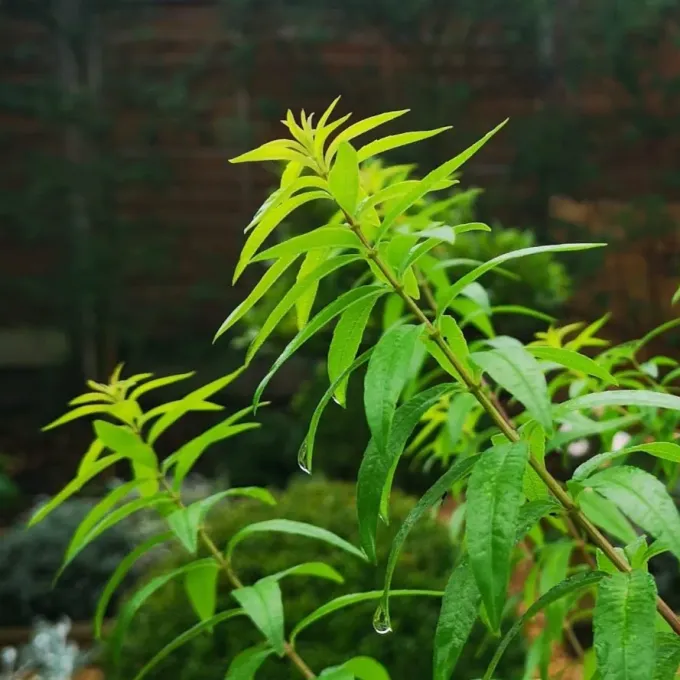
Description
Sowing dates
Propagation of Aloysia fiebrigii is primarily achieved through stem cuttings during the active growing season. This method ensures genetic uniformity and allows for the development of robust root systems before the onset of dormancy.
For those opting for seed propagation, sow seeds in a well-draining starting medium in early spring. Seeds should be surface-sown as they require light for optimal germination, and they should be pressed gently into the substrate without covering.
Maintaining a constant temperature range of 20 to 22 degrees Celsius is essential for high germination success. Seedlings require careful attention to humidity levels to prevent damping-off diseases during the first few weeks of development.
Transplanting into the field should occur only after the danger of frost has passed. Hardening off the young plants over two weeks in a shaded outdoor area helps them adapt to environmental stresses, increasing survival rates after planting.
The planting density should be optimized based on the desired plant habit, with typical spacing being 60 to 75 centimeters between plants. Proper spacing ensures adequate airflow, which is critical for minimizing moisture-related issues.
Growing requirements
Aloysia fiebrigii is a member of the Verbenaceae family and thrives in full sun exposure. Sufficient sunlight is crucial for maximizing the accumulation of essential oils within the leaves, which constitutes its main agricultural value.
The ideal soil for this species is light, sandy loam with a neutral to slightly acidic pH. Excellent drainage is non-negotiable, as this shrub is highly susceptible to root rot if placed in heavy, compacted, or waterlogged soils.
Watering requirements are moderate; the plant displays significant drought tolerance once established. However, during the peak summer months, regular irrigation is necessary to ensure consistent growth and high biomass production.
Fertilization should be handled with care, focusing on balanced NPK applications in the early spring. Excessive nitrogen should be avoided later in the season to prevent weak, succulent growth that is prone to damage during colder months.
In temperate climates, Aloysia fiebrigii is not hardy and must be protected from freezing temperatures. Indoor overwintering in a greenhouse or bright location with temperatures above 5 degrees Celsius is standard practice.
Main diseases and pests
Spider mites are the most frequent pests in greenhouse conditions or during periods of low humidity. Regularly misting the foliage and ensuring good ventilation can help manage populations without heavy chemical intervention.
Powdery mildew is a common fungal threat when plants are overcrowded or subjected to poor air circulation. Removing affected branches and improving the spacing between plants is the first line of defense for maintaining a healthy crop.
Root rot, often caused by overwatering or poorly drained soil, is the most serious threat to the longevity of the plant. Maintaining strict irrigation protocols and avoiding standing water around the base of the plant is vital.
Aphids can cause significant damage to new terminal growth, leading to stunted and curled leaves. Using organic insecticidal soaps is usually effective for managing these pests without compromising the quality of the harvested herb.
Preventative sanitation is key in managing disease outbreaks. Removing plant debris from the base of the shrubs and controlling nearby weed populations reduces the risk of hosting pests and pathogens that could target the crop.
Harvesting
The harvest phase for Aloysia fiebrigii typically coincides with the peak flowering stage, which is when the concentration of essential oil is highest. Careful monitoring of the plant maturity ensures the highest product quality.
Harvesting involves cutting the stems approximately 15 to 20 centimeters above the ground. This method promotes secondary branching and allows the plant to produce subsequent harvests throughout the season.
After collection, the plant material must be dried in a dark, cool, and well-ventilated area. Rapid drying at temperatures not exceeding 40 degrees Celsius preserves the delicate aromatic compounds found in the foliage.
Once dried, the herbs should be stored in opaque, airtight containers away from heat and sunlight to maintain their shelf life. Proper storage allows the herb to retain its medicinal and culinary properties for an extended period.
Typical economic uses include the extraction of essential oils for the fragrance industry, as well as the production of herbal teas and infusions. Its soothing properties make it a sought-after component in natural health products.