
Aloysia polystachya
Aloysia polystachya
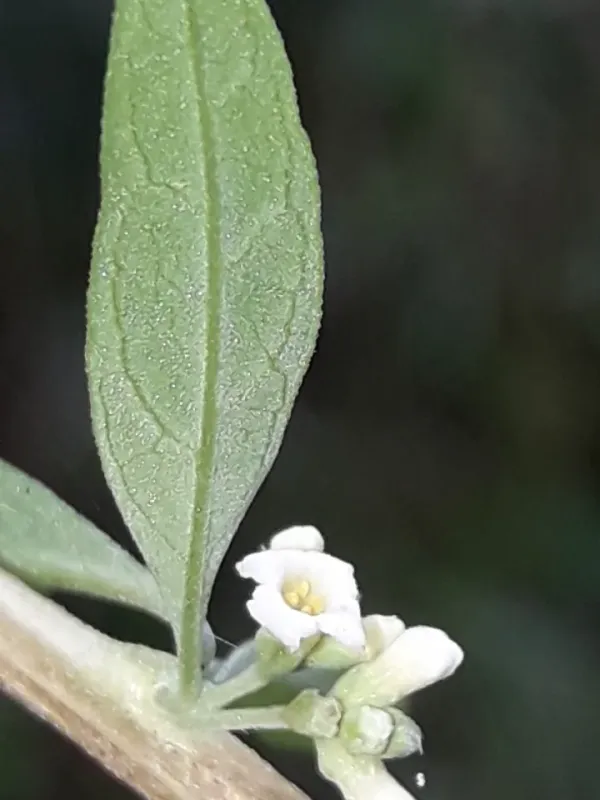
Description
Sowing dates
Aloysia polystachya, commonly known as cedron, is a member of the Verbenaceae family and originates from South America, particularly Argentina and Paraguay.
Propagation is typically done via seeds or cuttings; seeds should be sown in a warm, protected environment during late winter to allow for early establishment.
The seeds require light to germinate, so they should be surface-sown on a well-draining, moist substrate without being deeply buried.
Maintaining a temperature range of 20–22°C (68–72°F) is crucial for uniform germination and healthy seedling development in the initial stages.
Seedlings should be hardened off gradually before being transplanted into their permanent outdoor locations once the danger of frost has passed.
Growing requirements
This crop thrives in sunny, open areas with well-drained, fertile soil that maintains a neutral to slightly alkaline pH balance.
Aloysia polystachya prefers consistent moisture but is sensitive to waterlogging, which can quickly lead to root decay and overall plant stress.
Regular pruning is a vital agronomic practice, as it keeps the plant bushy, prevents woody overgrowth, and improves the quality of the foliage.
While the plant is hardy in tropical and subtropical zones, growers in temperate climates must treat it as a perennial that requires indoor protection during winter.
Good air circulation is essential for this species to prevent fungal growth, especially in humid or sheltered growing conditions.
Yield
The economic value of Aloysia polystachya lies in its fragrant leaves, which are rich in essential oils containing terpenes like thujone and cineole.
Production cycles can be maximized through frequent harvesting of fresh leaves, encouraging the plant to produce continuous new growth throughout the season.
Yield quality is highest when foliage is harvested at the peak of the flowering stage, ensuring optimal concentration of active compounds.
The crop is highly valued for its digestive, sedative, and aromatic properties, making it a lucrative specialty crop for niche markets and herbalists.
Proper post-harvest drying is essential to preserve the volatile oils; drying should occur in shaded, well-ventilated areas to prevent degradation.
Main diseases and pests
Root rot is the most significant threat to this crop, usually caused by over-irrigation or planting in heavy, poorly drained clay soils.
Pests such as aphids and spider mites are common, particularly in glasshouse environments or during dry spells in the open field.
Fungal infections, including mildews, can occur if the plant density is too high, preventing air from moving through the canopy.
Integrated pest management strategies, focusing on biological controls, are recommended to maintain the organic status of the herbal produce.
Monitoring for signs of nutrient deficiency or pest activity should be performed weekly to ensure rapid intervention and protect the harvest.
Harvesting
Harvesting is performed by carefully pruning leafy shoots, leaving enough foliage for the plant to continue photosynthesis and recover quickly.
Morning harvesting is preferred as it minimizes the loss of essential oils to heat and solar evaporation during the cutting process.
Harvested material must be kept clean, free from soil contamination, and processed immediately to maintain the high quality of the essential oils.
After harvesting, the foliage can be dried using forced air or natural convection in dark rooms to maintain a vibrant color and strong fragrance.
The final product should be stored in airtight containers away from heat and light to preserve its medicinal and culinary characteristics for long-term use.