
Aloysia chamaedrifolia
Aloysia chamaedrifolia
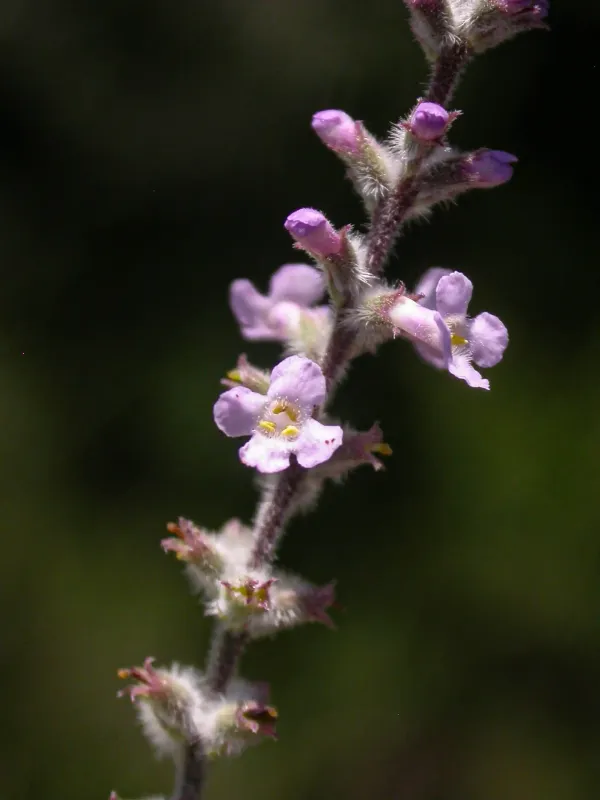
Description
Growing requirements
Aloysia chamaedrifolia is a perennial shrub belonging to the Verbenaceae family, highly valued for its aromatic properties. Originating from South America, this plant is adapted to regions with mild, frost-free climates and is primarily grown for its volatile oils.
Successful cultivation requires well-draining, nutrient-rich soil with a neutral pH. The plant is extremely sensitive to waterlogged conditions, which necessitates planting in sandy or loamy soils to prevent root decay and ensure healthy development.
The plant thrives in full sun, which is essential for maximizing the production of essential oils within its foliage. It is generally intolerant of freezing temperatures, making it suitable for temperate zones only as a greenhouse or indoor potted crop.
Agrotechnical practices involve regular but controlled irrigation. It is crucial to allow the soil to dry slightly between watering sessions, as excessive moisture often encourages fungal pathogens to colonize the root zone.
Economically, Aloysia chamaedrifolia is cultivated for the perfume industry and culinary flavoring. Its leaves possess a distinctive scent profile, often compared to lemon, making them a popular ingredient in herbal teas and aromatic extracts.
Main diseases and pests
Spider mites are a common pest for Aloysia, especially in protected or greenhouse environments. These pests thrive in dry conditions and can cause significant damage to the leaf tissue by depleting the plant's moisture and nutrients.
Whiteflies can also severely affect crop yields if not managed early. Effective control measures include the use of insecticidal soaps or neem oil, which help maintain the organic quality of the harvested essential oil plants.
Root rot, primarily caused by waterlogged soil, is the most prevalent disease affecting this culture. It leads to wilting and eventual plant death, emphasizing the critical importance of proper irrigation management and soil aeration.
Powdery mildew represents another major threat to the foliage. It spreads rapidly in poorly ventilated areas where plants are crowded, leading to a visible white fungal growth that reduces both biomass and oil quality.
Aphids can target young, tender shoots during the spring season. While generally less destructive than mites, they can transmit viral infections, requiring farmers to maintain clean, well-spaced growing rows to minimize spread.