
Lemon verbena
Aloysia citriodora
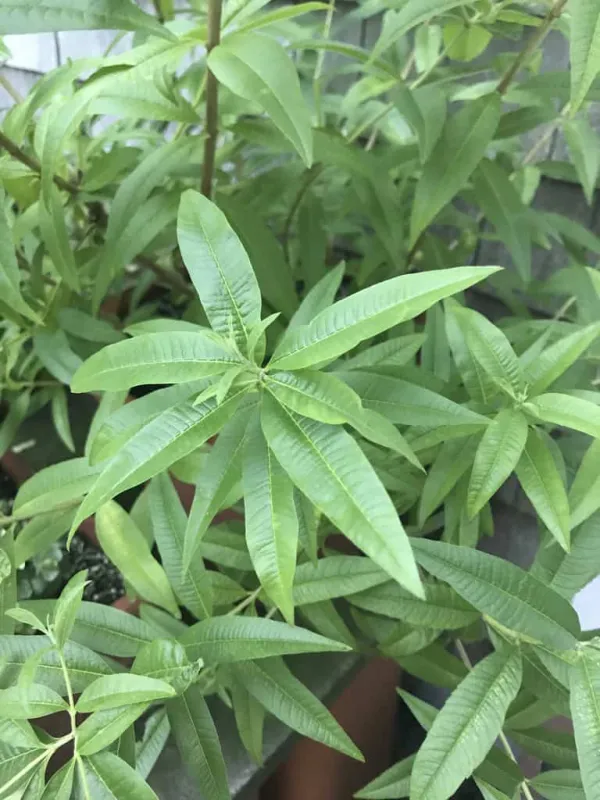
Description
Sowing dates
Propagation of lemon verbena is most successfully achieved through stem cuttings. Semi-hardwood cuttings taken in late spring or early summer root easily in a lightweight, sterile potting mix when kept under controlled conditions of high humidity and warmth.
Seed propagation is possible but challenging due to low germination rates and long, erratic emergence times. Seeds should be sown in early spring and kept at a consistent temperature, often requiring a period of cold stratification to break dormancy.
When planting in the garden or larger pots, spacing should be at least 60–90 cm between plants. This distance ensures adequate airflow, which is critical for reducing the risk of fungal infections and maintaining overall plant vigor throughout the growing season.
Fertilization is key to producing abundant foliage. A balanced, water-soluble fertilizer applied every few weeks during the peak growing season supports the rapid growth of new leaves, which is essential for maximizing the harvest of the aromatic crop.
Pruning is an essential part of the maintenance cycle. Regularly pinching back the tips of young stems promotes branching, which results in a bushier plant with more harvestable leaves. It also prevents the shrub from becoming too leggy.
Growing requirements
Lemon verbena (Aloysia citriodora) is a perennial deciduous shrub belonging to the Verbenaceae family. It is highly valued for its intense lemon-scented foliage, which contains essential oils such as citral and limonene, making it a popular choice for herb gardens worldwide.
Native to South America, specifically Argentina, Chile, and Peru, this plant thrives in subtropical climates. In regions with freezing winters, it is typically grown as a container plant or an annual, as it lacks cold hardiness and must be protected from frost.
The plant requires a sunny, sheltered location to reach its full potential. Ideally, it should receive at least six to eight hours of direct sunlight daily to encourage the development of the essential oils that give the plant its characteristic fragrance.
Soil requirements are strict: the plant needs fertile, well-draining soil with a slightly acidic to neutral pH. Heavy, waterlogged soils are detrimental to its health and often lead to root rot, which is the most common cause of plant failure in home gardens.
Optimal temperatures for active growth are between 20°C and 28°C. It is a moisture-loving plant but requires consistent drainage, as it cannot tolerate prolonged wet conditions around the root zone, especially during cooler periods of the year.
Main diseases and pests
Spider mites are the most common pest, especially when the plant is kept indoors or in a greenhouse with low humidity. Regular misting and maintaining proper hygiene can help manage these infestations before they spread to the entire plant.
Aphids and whiteflies can also cause significant damage by feeding on the sap of young shoots, leading to stunted growth and yellowing leaves. Using organic insecticidal soaps is usually effective for localized treatment of these pests.
Root rot, caused by various soil-borne fungi, is a major threat linked to overwatering or poor drainage. Infected plants show signs of wilting and decay at the base of the stems, and once established, this condition is very difficult to treat.
Powdery mildew may occur if the plant is grown in areas with high humidity and stagnant air. White patches appear on the leaves, which can eventually lead to foliage drop; keeping the plant properly pruned to encourage airflow is the best prevention.
To keep lemon verbena healthy, it is vital to monitor for early signs of disease and pests. Removing dead or yellowing leaves and ensuring that the plant has enough space prevents most common ailments from escalating into serious problems.
Harvesting
Harvesting should ideally begin once the plant is well-established. For the best flavor and oil concentration, leaves should be picked in the morning after the dew has evaporated but before the intense heat of the day causes essential oils to dissipate.
The peak harvesting period occurs just as the plant begins to form flower buds. At this stage, the chemical composition of the leaves is at its richest, providing the most potent lemon aroma for culinary, herbal tea, or cosmetic applications.
Leaves should be dried quickly in a dark, warm, and well-ventilated space to preserve their color and fragrance. High heat or direct sunlight will degrade the quality of the essential oils, leading to a loss of the characteristic lemon scent.
Once dry, the leaves should be stored in airtight containers away from light and moisture. Proper storage allows the herb to retain its aromatic properties for over a year, making it an excellent supply for tea blends and culinary seasonings.
The plant is widely used in the food industry as an ingredient in teas, salads, desserts, and dressings. Beyond the kitchen, its antiseptic and relaxing properties make it a staple ingredient in luxury soaps, perfumes, and skin care products.