
Aloysia virgata
Aloysia virgata
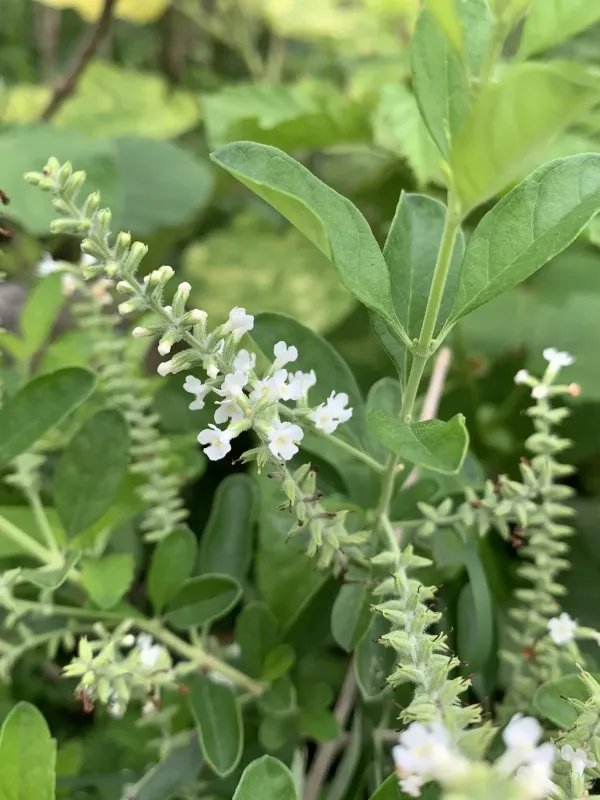
Description
Sowing dates
Aloysia virgata, a member of the Verbenaceae family, is a perennial evergreen shrub known for its sweet-scented foliage. Propagation is most successful through stem cuttings taken during the active growing season in spring.
Seeds can be sown in late winter or early spring using a well-draining seed starting mix. Maintaining a consistent temperature of about 20–22 degrees Celsius is essential for effective germination of this species.
Transplanting into the garden should only occur once the threat of frost has completely passed. The plant requires a period of acclimatization to external conditions to ensure survival and robust root development.
When planting, provide sufficient spacing between shrubs, as the plant can reach considerable height and width. Proper spacing ensures adequate air circulation and access to light for all parts of the shrub.
Preparing the soil with organic matter prior to planting provides the necessary nutrients for the young plant to establish itself quickly in its permanent location.
Growing requirements
This crop thrives in full sun, which is necessary to maximize the production of aromatic essential oils in the leaves. Exposure to direct sunlight is crucial for the plant's overall health and vigor.
The soil must be fertile, loose, and possess excellent drainage properties. Aloysia virgata is highly sensitive to waterlogged soils, which quickly lead to root rot and other physiological stressors.
Watering should be balanced; while the plant requires consistent moisture during the growing season, it must be allowed to dry slightly between waterings to prevent root system suffocation.
In cooler climates, Aloysia virgata is often grown in containers. This allows gardeners to move the plant indoors or into a greenhouse during the winter, protecting it from freezing temperatures.
Fertilization with a balanced, slow-release fertilizer during the active spring growth phase supports healthy development. Avoid excessive nitrogen, which can lead to rapid, weak growth prone to pest attacks.
Main diseases and pests
The most significant threat to Aloysia virgata is overwatering. Excessive soil moisture creates the perfect environment for fungal pathogens to thrive, which can rapidly destroy the plant's root system.
Indoors or in greenhouses, spider mites and mealybugs can pose a challenge. Regular monitoring of the underside of the leaves is recommended to catch infestations early before they spread.
Insufficient light often leads to leggy growth, which makes the plant more susceptible to diseases and structural damage. Ensuring proper light exposure is a fundamental part of disease prevention.
Poor air circulation increases the risk of fungal infections such as powdery mildew. Proper pruning and strategic plant placement can effectively mitigate these environmental risks.
Utilizing integrated pest management (IPM) strategies, including biological controls, is preferred to maintain the health of the plant while ensuring the safety of the harvested herbal product.
Harvesting
Harvesting is best timed with the peak of the flowering season, when the concentration of essential oils is at its highest. The leaves release a characteristic almond or vanilla-like fragrance.
Using sharp shears, harvest the terminal stems while leaving enough foliage to allow the plant to continue photosynthesizing and regenerating after the pruning process.
Drying should occur in a dark, cool, and well-ventilated area to preserve the delicate aromatic compounds. Avoiding direct heat or sunlight ensures the quality and longevity of the dried herb.
Once dried, the leaves should be stored in airtight containers away from moisture and direct light. Proper storage maintains the integrity of the plant's medicinal and aromatic profiles.
The plant is utilized for its essential oils in the perfume industry, as an ornamental in landscape architecture, and occasionally as a flavoring agent in specialized culinary applications.