
Aloe perfoliata
Aloe perfoliata L.
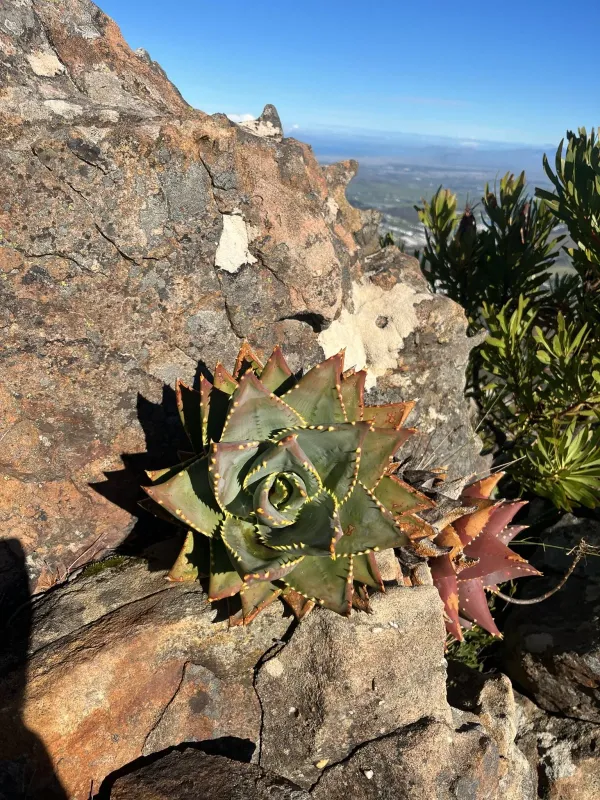
Description
Growing requirements
Aloe perfoliata L., belonging to the Asphodelaceae family, is a robust succulent originating from the arid regions of South Africa. It has evolved to thrive in harsh, sun-drenched environments with minimal annual precipitation.
Cultivation requires well-draining, sandy or gritty soil mixtures to mimic its natural habitat. The plant is highly sensitive to waterlogged conditions, making effective drainage systems a fundamental prerequisite for commercial production.
The optimal climate for growth is characterized by high light intensity and temperatures ranging between 18 and 30 degrees Celsius. While it can withstand mild frost, prolonged exposure to freezing temperatures can cause irreparable cellular damage to the leaves.
Irrigation practices must be strictly controlled, following a "soak and dry" method. During the growing season, plants should be watered thoroughly only when the substrate is completely dry to prevent root suffocation.
Economically, Aloe perfoliata is valued for its hardiness in xeriscaping and its biochemical properties. The extract from its leaves is frequently utilized in the skincare and pharmaceutical industries for its soothing and anti-inflammatory characteristics.
Main diseases and pests
Root rot, driven by excessive soil moisture and poor airflow, remains the primary threat to the health of Aloe perfoliata. This condition leads to the rapid decay of the vascular tissues at the base of the plant.
Common pests include mealybugs, which congregate in the dense clusters of the foliage, and scale insects that attach to the leaf surfaces to feed on the plant sap, significantly weakening the organism.
Spider mites can also become problematic in hot, dry greenhouse environments with low humidity. Infestations are often signaled by fine webbing and yellowing patches on the otherwise vibrant succulent leaves.
Effective pest management involves integrated methods, including physical removal and the application of systemic insecticides where necessary. Preventive care through quarantine of new stock is essential to keep the collection healthy.
Proper environmental management, such as maintaining adequate ventilation and spacing, is the most effective defense against both biological threats and pathogenic fungi. Regular monitoring ensures high production quality.