
Aloe arborescens
Aloe arborescens Mill. x Aloe vera (L.) Burm. f.
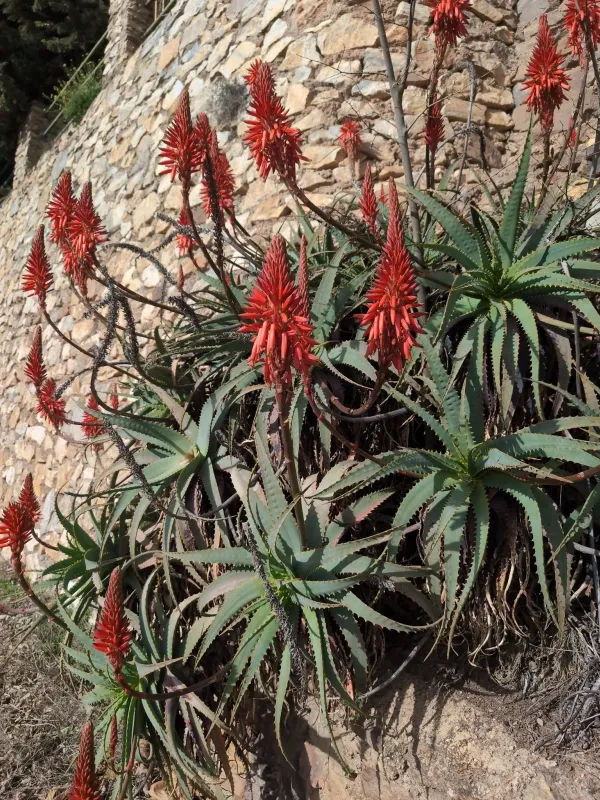
Description
Sowing dates
Propagation of Aloe arborescens is primarily achieved through stem cuttings, which ensures genetic consistency and robust plant development for commercial and domestic cultivation.
The optimal time for cutting collection is during the active growth phase, typically in late spring or summer. After cutting, it is essential to let the stalks air-dry in a dark, cool place for several days to allow a callus to form.
For rooting, use a light, well-draining substrate such as a mixture of sand, perlite, and peat. This structure prevents moisture retention around the base, which is crucial for preventing initial rot.
Cuttings should be placed in moderate light and kept at a temperature between +20 and +25 degrees Celsius. Overwatering during the rooting phase is the most common cause of failure.
While seed propagation is possible, it is rarely used in large-scale agriculture due to the slow growth rate of seedlings compared to the faster and more predictable vegetative method.
Growing requirements
Aloe arborescens belongs to the Asphodelaceae family and thrives in conditions with high light intensity, which is necessary for the accumulation of phytochemicals in its leaves.
The plant requires loose, porous soil with excellent drainage. In containers or greenhouse beds, a mix including volcanic rock or perlite is recommended to maintain soil aeration.
The ideal temperature range for active growth is +18 to +30 degrees Celsius. During the winter, the plant benefits from a dormant period with cooler temperatures near +10 to +12 degrees.
Irrigation should be deliberate; the soil must be allowed to dry out significantly between watering sessions. Consistent waterlogging leads to rapid root system decline and plant mortality.
As a succulent, it is highly drought-tolerant, but for maximum biomass production, supplemental irrigation is required during extended periods of heat and active growth.
Yield
Yield for Aloe arborescens is assessed by the biomass of harvested leaves, which are rich in medicinal properties. Harvesting usually begins when the plants reach at least three years of age.
In greenhouse environments, intensive cultivation can yield significant amounts of raw plant material per square meter, provided that light and nutrient levels are carefully optimized.
The harvesting strategy involves selective leaf picking, starting from the lower levels. This allows the plant to continue growing while providing a steady supply of leaves for extraction.
Productivity is highly dependent on planting density and the quality of the substrate, as well as the plant's ability to maintain a strong root system throughout its life cycle.
Quality control remains essential; the biological efficacy of the aloe juice depends on the age of the leaf and the specific environmental conditions during its growth.
Main diseases and pests
Root rot is the most serious threat, typically resulting from improper irrigation practices or poor soil drainage, which creates an environment conducive to fungal infections.
Pests such as mealybugs and scale insects are common in high-density greenhouse populations, as they thrive on the succulent tissues of the aloe leaves.
Spider mites may infest the plants if the air becomes excessively hot and dry, necessitating regular monitoring of leaf surfaces and immediate intervention when spots appear.
Poor ventilation can lead to the spread of leaf spot diseases, which diminish the commercial value and medicinal quality of the harvested biomass.
Integrated pest management, including natural predators and selective biological treatments, is preferred to maintain the safety and purity of the medicinal product.
Harvesting
Manual harvesting with sterilized cutting tools is the standard method, ensuring that clean incisions are made to promote rapid healing and prevent pathogen entry.
Morning harvesting is recommended as the leaves are fully turgid with water and essential plant compounds, providing the highest quality raw material for immediate processing.
Post-harvest handling is critical, as aloe juice is highly sensitive to oxidation, which occurs rapidly when exposed to air and light after the leaf is cut.
It is recommended not to remove more than 25-30% of the leaf mass at once to avoid compromising the plant's metabolic functions and overall health.
After harvesting, the wound sites on the parent plant can be treated with a light dusting of charcoal powder to prevent infections and assist the healing process.