
Aloe chabaudii x Aloe marlothii hybrid
Aloe chabaudii x Aloe marlothii
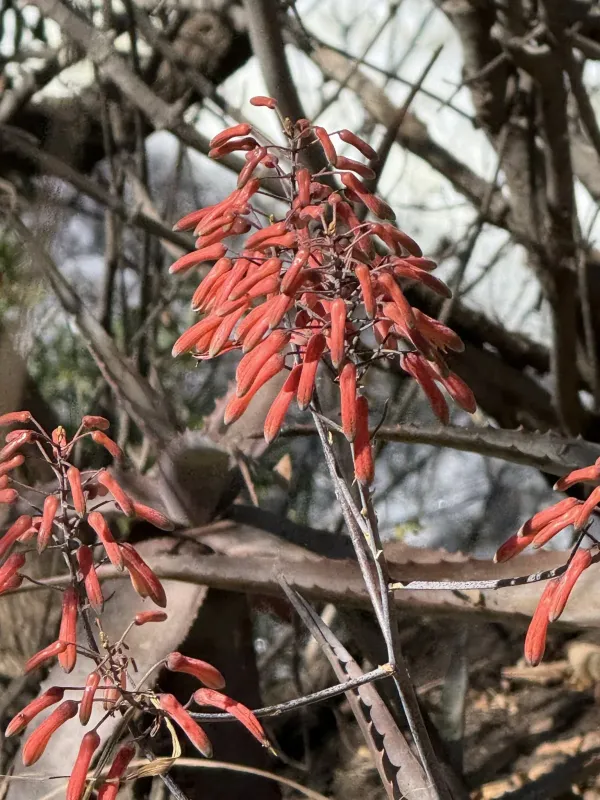
Description
Growing requirements
This hybrid is a distinctive member of the Asphodelaceae family, displaying a robust growth habit inherited from its South African parents. The plant is characterized by thick, succulent leaves arranged in a dense rosette, designed to conserve water under harsh environmental conditions.
Native to arid and semi-arid regions of Southern Africa, this hybrid requires a climate that mimics its natural habitat to thrive. It performs best in regions with high solar radiation and low relative humidity, making it an excellent candidate for greenhouse cultivation in temperate zones.
Soil requirements focus on extreme drainage. A typical potting mix should consist of mineral components such as grit, pumice, and coarse sand. Peat or high-organic substrates should be avoided as they promote the development of lethal root rot.
Watering management is the most critical factor in successful cultivation. The growing media must reach full dryness between watering intervals. During the winter dormancy period, the plant requires significantly less moisture to prevent cellular rupture and rot.
The agricultural and commercial potential of this hybrid lies in its aesthetic value for xeriscaping and its potential as a succulent crop in arid landscape design. Its low maintenance requirements make it suitable for large-scale nursery production.
Main diseases and pests
The primary threats to this succulent are various fungal pathogens, specifically those causing root and crown rot. These issues are almost exclusively related to improper irrigation practices or poor drainage within the cultivation environment.
Pest pressures primarily involve mealybugs, scale insects, and spider mites. These pests thrive in protected environments where air circulation is restricted, often clustering in the tight leaf bases where they are difficult to treat with topical applications.
Implementation of an Integrated Pest Management (IPM) program is essential. This includes the use of systemic insecticides, frequent scouting, and strict quarantine procedures for new plant material entering the production facility.
Environmental control is the most effective form of prevention. Maintaining low humidity and ensuring constant airflow around the foliage significantly reduces the risk of fungal proliferation and insect colonization.
Early intervention is vital when signs of physiological stress appear. Growers should focus on correcting substrate properties and removing affected plant parts immediately to prevent the spread of opportunistic bacterial infections through the colony.