
Aloe bakeri
Aloe bakeri Scott-Elliot
Description
Growing requirements
Aloe bakeri is a diminutive succulent species belonging to the Asphodelaceae family. It is endemic to the coastal sandy regions of southern and southeastern Madagascar, where it thrives in well-drained, nutrient-poor soils.
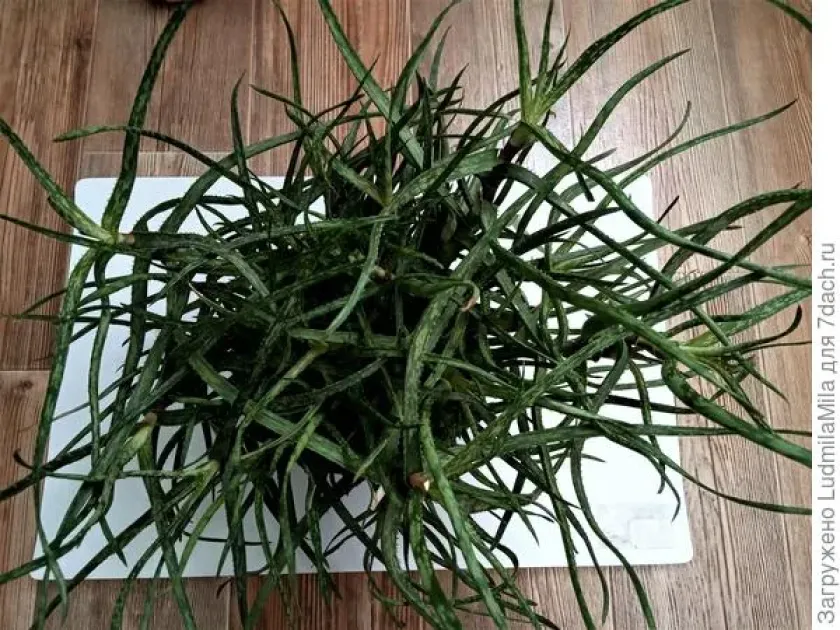
The plant is characterized by its small, clustering habit and narrow, cylindrical, or channelled leaves. These leaves often exhibit distinct reddish-bronze pigmentation when exposed to strong sunlight, which is a key aesthetic feature for collectors of succulent flora.
Successful cultivation requires a highly porous growing medium, typically comprised of cactus-mix soil amended with coarse sand or pumice. This composition ensures that water drains rapidly, preventing the moisture retention that can lead to root degradation.
The plant demands high light intensity to maintain its compact, clumping form. Exposure to direct sunlight is generally beneficial, provided the plant is acclimatized gradually, as this fosters the vibrant colors typical of the species in its natural habitat.
Temperature management is straightforward: the plant prefers warm conditions during the growing season (18°C to 25°C). During the winter dormant phase, temperatures should be lowered slightly to 12–15°C with significantly reduced irrigation to ensure successful seasonal blooming.
Main diseases and pests
The primary horticultural challenge for Aloe bakeri is the management of moisture-related pathogens. Root and stem rot are frequent outcomes of over-irrigation, especially in environments where airflow is restricted or light levels are suboptimal.
Pest management should focus on the early detection of mealybugs, which tend to colonize the leaf axils. Additionally, spider mites can become an issue in low-humidity environments, necessitating regular monitoring and appropriate horticultural control measures.