
Aloe chabaudii
Aloe chabaudii Schönland
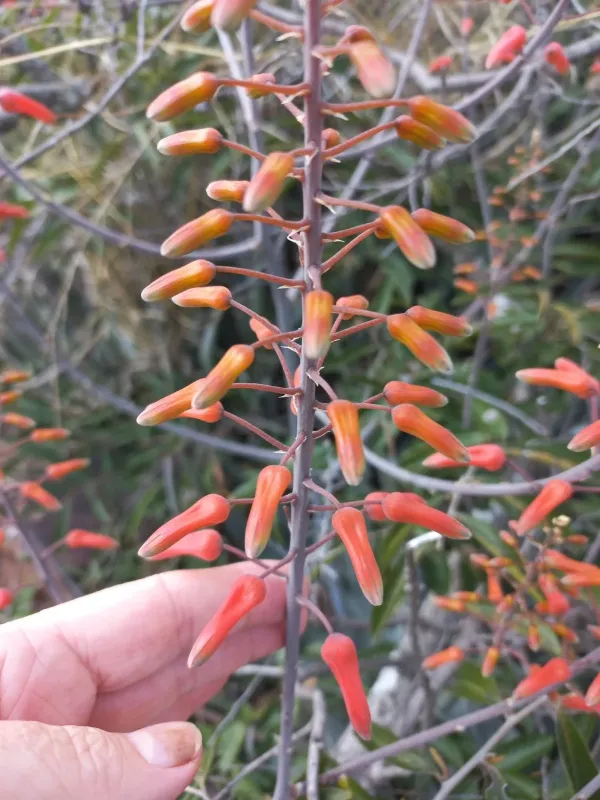
Description
Growing requirements
Aloe chabaudii is a perennial succulent belonging to the Asphodelaceae family. This species originates from the rocky landscapes and savannas of Southern Africa, demonstrating significant drought tolerance and adaptability to harsh environmental conditions.
The plant grows in dense rosettes of fleshy, lanceolate leaves that can reach substantial sizes. Its aesthetic appeal lies in the silver-green coloration of the foliage and the architectural structure of the plant, which makes it a notable ornamental crop.
For successful cultivation, the soil must be extremely well-draining, mimicking the mineral-rich, rocky soils of its native habitat. A mixture of grit, coarse sand, and a small amount of volcanic soil is ideal for maintaining root health.
Climate requirements involve plenty of direct sunlight or high-intensity bright light. While the species can tolerate some heat, it requires protection from excessive, stagnant humidity, which is detrimental to its physiological processes.
Irrigation practices should follow the 'soak and dry' method. During the summer, water should be applied only after the substrate has completely dried out, while winter irrigation should be reduced to an absolute minimum to encourage dormancy.
Main diseases and pests
The most significant threat to Aloe chabaudii is root rot, typically caused by waterlogged substrates or poor drainage. This condition is often fatal if not detected early, as it leads to the rapid decomposition of the basal tissues.
Pests such as mealybugs can nestle between the leaf bases, where they are protected from topical treatments. These insects weaken the plant by extracting essential sap and creating conditions for secondary bacterial infections.
Spider mites are another common pest, appearing in hot and dry environments. Their presence is indicated by stippling on the leaves and fine silk webbing, which can significantly stunt the growth of the succulent.
Effective pest management involves the application of appropriate insecticides and ensuring that the plant is not overcrowded, which facilitates better air circulation and reduces the likelihood of infestations.
Preventative care is essential, consisting of maintaining proper ventilation and avoiding overhead watering. Keeping the rosettes dry helps prevent fungal spores from settling in the leaf axils, which is a key agronomic practice for all aloe species.