
Black-spined Aloe
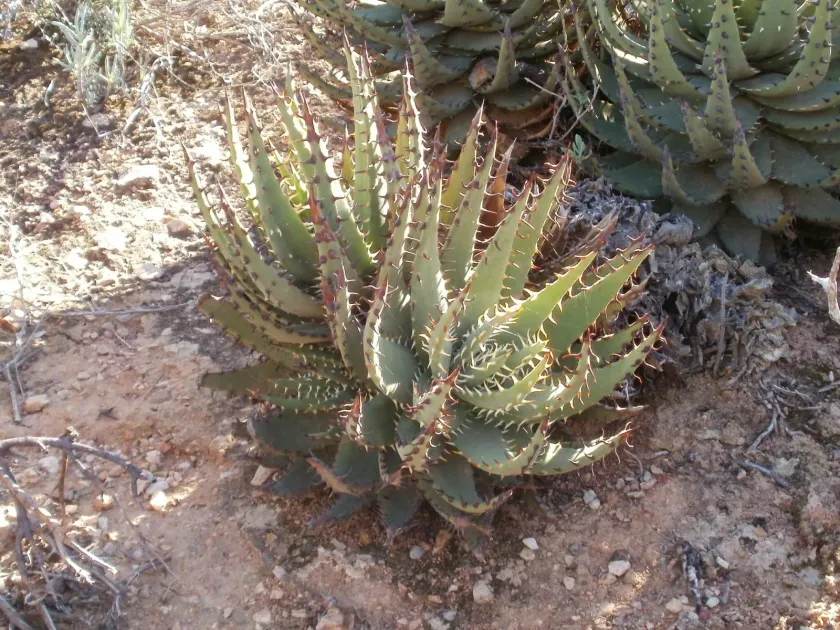
Aloe melanacantha A. Berger
Description
Growing requirements
Aloe melanacantha is a distinctive succulent belonging to the Asphodelaceae family. It is native to the arid and rocky landscapes of South Africa, where it has evolved to thrive under harsh environmental conditions.
The plant is characterized by its dense rosette of fleshy leaves, which are adorned with striking, dark, thorn-like spines along the margins. This botanical feature serves as its primary protection against herbivores in the wild.
This species requires high light intensity to maintain its structural integrity. In cultivation, it thrives best in direct sunlight or very bright, unfiltered light, which enhances its coloration and growth density.
A well-draining soil medium is essential. A professional mix for this plant typically includes a large percentage of inorganic materials such as pumice, perlite, or volcanic rock to ensure water does not sit near the root crown.
Temperature management is straightforward: it prefers warmth during the growing season and cooler temperatures during the winter. Maintaining a strict dry dormancy period is crucial for the health and longevity of the specimen.
Main diseases and pests
Root rot is the most significant threat to this species, usually caused by improper soil aeration or over-watering during the plant's resting phase.
Mealybugs are common pests that infiltrate the leaf axils, leaving white, cotton-like residues and causing localized damage to the epidermis.
Scale insects can attach themselves to the leaves, appearing as small brown bumps that extract nutrients and weaken the plant's structural strength.
Fungal leaf spot diseases can develop if the environment remains humid without adequate air circulation, leading to unsightly blemishes on the foliage.
Integrated pest management strategies involve maintaining low humidity, proper spacing between plants, and timely application of horticultural oils if an infestation occurs.