

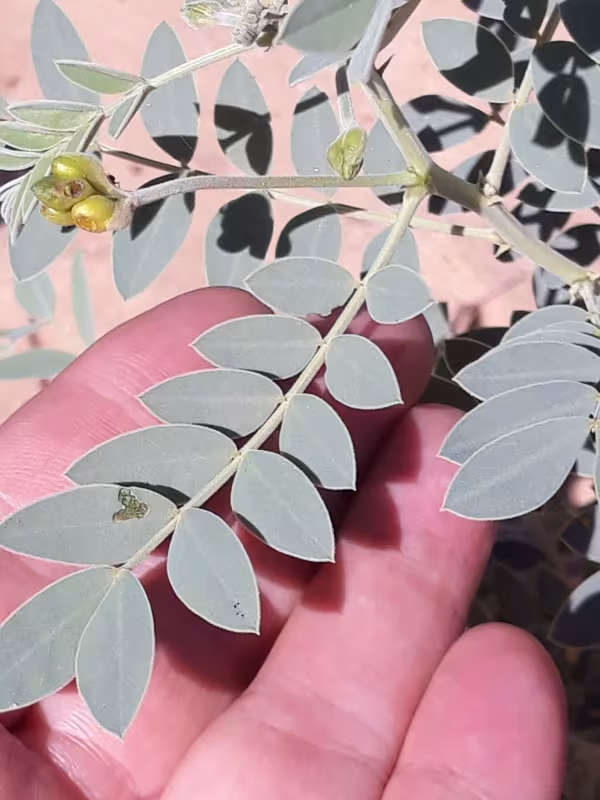
Description
Sowing dates
Senna alexandrina is a thermophilic plant, which requires sowing in open ground only after the soil has warmed up sufficiently in late spring.
The ideal time for planting is when soil temperatures at the sowing depth remain steady between 15 and 18 degrees Celsius to ensure rapid germination.
Due to the hard seed coat of the species, scarification or pre-soaking in growth stimulants is recommended to achieve higher field emergence rates.
Seeds should be sown in rows with a spacing of approximately 60 centimeters, providing enough room for the plants to develop dense foliage.
Uniform seedlings typically emerge within two weeks, provided there is adequate soil moisture and early weed control measures are implemented.
Growing requirements
Belonging to the Fabaceae family, this plant is highly sensitive to temperature and thrives in hot climates with intense direct sunlight exposure.
Light sandy or sandy-loam soils are preferred for commercial cultivation as they offer excellent drainage and prevent the risk of root-zone waterlogging.
While the plant is heat-tolerant, it requires regular and moderate irrigation during the active growing season to support high biomass production.
Application of phosphorus and potassium fertilizers is beneficial for the development of leaf area, which is the primary economic component of the crop.
The native tropical origin of the plant dictates its requirement for long daylight hours and high heat intensity throughout the entire growth cycle.
Yield
The economic value of the crop is concentrated in its leaves and pods, which are widely utilized in the pharmaceutical industry for their laxative properties.
The total yield of green matter is heavily dependent on sunlight intensity, proper irrigation management, and the timing of nutrient applications.
The peak concentration of pharmacologically active anthra-compounds occurs during the flowering phase, making this the critical window for harvesting.
Under optimal industrial cultivation conditions, farmers can expect a raw leaf yield of approximately 800 to 1200 kilograms per hectare.
Post-harvest processing involves drying the material at temperatures not exceeding 45 degrees Celsius to preserve the delicate active ingredients.
Main diseases and pests
Root rot is the most common pathology for senna crops, often exacerbated by excessive soil moisture and poor drainage in the field.
Powdery mildew may affect the foliage if air circulation is poor or if there are significant fluctuations in humidity levels during the growing season.
Common pests include aphids and spider mites, which feed on the sap of young shoots and can significantly reduce the overall productivity of the plants.
Effective pest management relies on a combination of crop rotation, the use of biological control agents, and early detection of infestations.
- Improved drainage prevents the onset of root-related infections.
- Regular field monitoring helps identify pest presence at an early stage.
- Maintaining spacing between rows minimizes the spread of airborne fungi.
Harvesting
Harvesting of senna leaves is performed in several stages throughout the summer as the leaves reach their peak maturity and size.
The initial harvest usually begins when the lower leaves show signs of yellowing, indicating that they are fully developed and ready for collection.
A second harvesting phase occurs during the peak flowering period, which maximizes the quantity of medicinal material extracted from the plants.
Once harvested, the raw material must be dried immediately in well-ventilated areas or specialized ovens to stop the degradation of active compounds.
Proper storage involves keeping the dried leaves in sealed containers within dry, dark environments to ensure long-term stability and quality.
Reference
Connections · Senna alexandrina
Most often together:
Marketplace
Products · 2

Trifluralin 480 g/L, herbicide
F.A.GAN Chemical Manufacturers Ltd. Israel, member
Herbicides
0
0
3 offers
9.93 €per 1 l
Buy