
Senna pendula
Senna pendula (Willd.) H. S. Irwin & Barneby
Description
Growing requirements
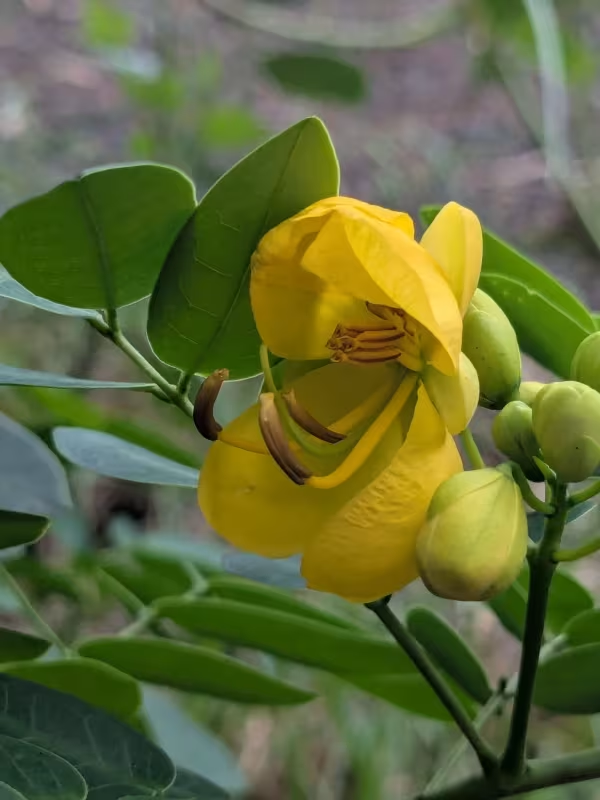
Senna pendula is a resilient shrub species belonging to the Fabaceae family. Originating from South America, it is widely recognized for its arching branches and vibrant yellow inflorescences.
This plant thrives in full sun exposure, which is critical for maximizing its bloom potential. In agricultural or ornamental settings, providing at least 6 to 8 hours of direct light daily is essential for vigorous growth.
Soil requirements are relatively standard for tropical shrubs: the species prefers fertile, well-draining loams. It is highly intolerant of waterlogged soil conditions, which frequently result in root asphyxiation.
Climate adaptability is the primary constraint; Senna pendula is sensitive to frost and extreme cold. It is best suited for USDA zones 9–11, requiring indoor protection in temperate regions during winter months.
The plant is utilized in specialized ornamental landscaping and ecological restoration projects in tropical regions, serving also as an important nectar source for local pollinator populations.
Main diseases and pests
Common pests include aphids and whiteflies, which tend to congregate on the underside of leaves and tender stems, potentially spreading viral pathogens between plants.
Fungal diseases such as powdery mildew may occur in areas with stagnant air and high humidity. Effective management involves maintaining adequate spacing between plants and ensuring optimal ventilation.