
Sickle pod
Senna obtusifolia (L.) H. S. Irwin & Barneby
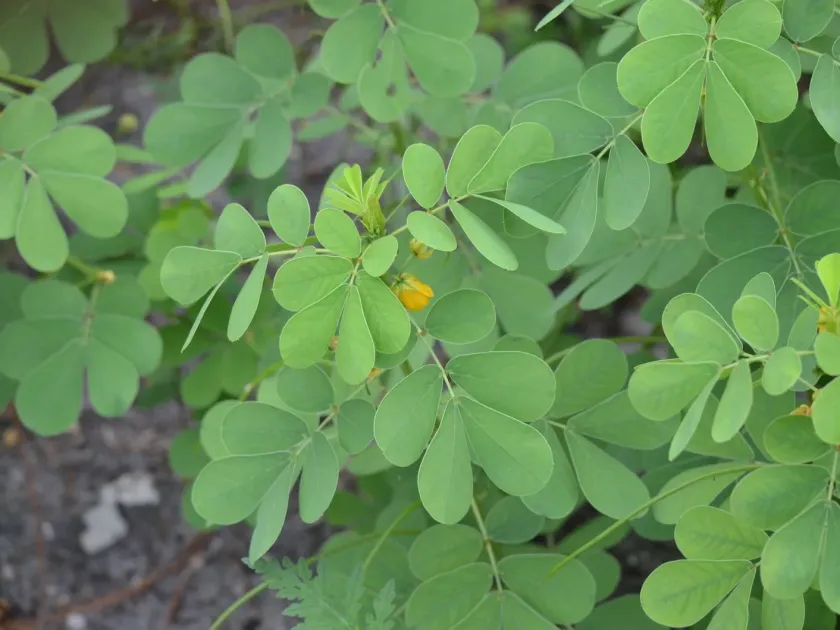
Description
Sowing dates
Senna obtusifolia, commonly known as sickle pod, is a heat-loving annual plant that requires warm soil conditions for successful germination. Sowing should only occur when soil temperatures consistently reach at least +15°C at a depth of 5 cm.
The optimal planting period typically falls in late spring or early summer, depending on the geographical region. Late planting in cold, damp soil will likely result in poor stand establishment due to seed rot or slow emergence.
Planting depth should be carefully managed, ideally between 2 and 4 centimeters. Shallow planting in dry soil can lead to uneven germination, while planting too deep may exhaust the seed's energy reserves before it reaches the surface.
Row spacing is generally set between 45 and 60 cm to allow for efficient mechanical weed control during the early development stages. Proper spacing ensures that each plant has enough light and nutrient access for optimal growth.
Seeding rates should be adjusted based on the soil's fertility levels and the intended use of the crop. Uniform distribution and firming the soil after seeding are crucial practices for ensuring good seed-to-soil contact.
Growing requirements
As a member of the Fabaceae family, sickle pod thrives in full sunlight and requires a long growing season to reach maturity. It is highly sensitive to frost, necessitating a frost-free environment throughout its vegetative phase.
Soil requirements for Senna obtusifolia include well-drained, fertile soils with a pH ranging from neutral to slightly acidic. The plant performs poorly in compacted or waterlogged soils, which significantly inhibit root development.
Temperature management is critical; the plant thrives at sustained temperatures between +25°C and +32°C. Growth slows significantly if temperatures drop below +15°C, and reproductive development is severely stunted in cold weather.
Like many legumes, Senna obtusifolia benefits from symbiotic relationships with nitrogen-fixing bacteria. Ensuring that the soil contains these necessary microorganisms can reduce the need for synthetic nitrogen fertilizers.
While the plant shows some drought tolerance due to a deep taproot, adequate soil moisture is essential during the flowering and pod-filling stages to ensure high yields and quality of the harvested materials.
Yield
Yield potential of Senna obtusifolia is influenced by environmental conditions and management efficiency. Under ideal conditions, biomass production can be significant, providing a consistent source of raw material for pharmaceutical processing.
Seed yield varies depending on plant density and the availability of essential nutrients during the reproductive stages. Properly managed fields can produce between 1.5 to 2 metric tons of seeds per hectare.
Fertilizer application, particularly phosphorus and potassium, plays a vital role in enhancing seed quality and yield. Phosphorus application during the early growth phase promotes root health and early canopy development.
Multiple harvests (cuttings) per season are possible in tropical or warm temperate climates with sufficient irrigation. This practice requires a high level of crop management to ensure rapid regrowth after each harvest.
Genetic diversity and seed purity are key factors in maintaining high yield levels across multiple generations. Using certified, high-quality seeds is always recommended to maximize crop performance.
Main diseases and pests
Sickle pod is susceptible to various fungal pathogens, especially in humid conditions. Leaf spots and root rots are the most common issues, which can be mitigated by ensuring good drainage and avoiding overcrowding.
Pest pressures include aphids and specific beetle species that attack both leaves and developing pods. Integrated pest management (IPM) strategies, including regular field monitoring, are essential to control these threats effectively.
Weed competition is particularly aggressive during the initial growth stages of the plant. If not managed through mechanical cultivation or early-stage herbicide application, weeds can severely reduce the total crop output.
Bacterial diseases can also occur, often spread by splashing rain on damp leaves. Crop rotation is a vital preventive measure; the field should not be used for other leguminous crops for at least three years prior.
In cases of severe infestation, using approved chemical treatments is an option, provided they are applied according to the label and taking into account the plant's intended use for medicinal purposes.
Harvesting
The timing of the harvest depends on the final product required. For medicinal leaves, the harvest should occur at the onset of flowering when the concentration of bioactive compounds is at its peak in the foliage.
Harvesting for seeds requires waiting for the pods to fully mature, which is indicated by a brown coloration. It is important to harvest before the pods shatter to prevent significant seed loss on the field.
After mechanical harvesting, the biomass must be dried immediately to lower moisture content to safe storage levels. This process prevents the development of mold, which could spoil the entire batch of raw material.
Cleaning equipment should be calibrated to remove debris and unwanted plant parts from the harvested seeds. This increases the value of the final product and simplifies storage and downstream processing.
Long-term storage requires cool, dry conditions with low relative humidity. Packaging the crop in moisture-proof containers helps preserve the quality of the harvested material until it reaches the end user.