
Aglaonema
Aglaonema
Aglaonema is a genus of evergreen perennial herbs belonging to the Araceae family. These plants are native to the tropical rainforests of Southeast Asia, where they thrive in the shaded understory.
What the section contains


Aglaonema
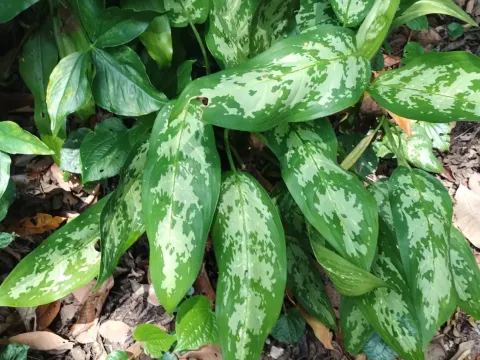
The plant is highly valued for its striking foliage, which features various patterns of silver, white, or red depending on the cultivar. Botanically, it produces short, erect stems that grow into a dense cluster of foliage over time.
Cultivation requires well-draining, nutrient-rich soil with a slightly acidic pH level. Temperature control is vital, as the plant thrives between 20°C and 25°C and cannot tolerate temperatures dropping below 15°C for extended periods.
Regarding light, Aglaonema is known for its tolerance to low-light conditions. However, variegated varieties require brighter, indirect sunlight to maintain their distinct color patterns and prevent leaf fading.
Watering must be managed to maintain consistent soil moisture without waterlogging. High ambient humidity is preferred, which can be achieved through regular misting or placing the plant on a tray with damp pebbles.
Common pests affecting the crop include spider mites, mealybugs, and scale insects, which often colonize the undersides of leaves in dry, indoor environments.
Fungal diseases like root rot and leaf spot are typically associated with overwatering or poor drainage. Maintaining good sanitation and using sterile potting media is essential for prevention.