
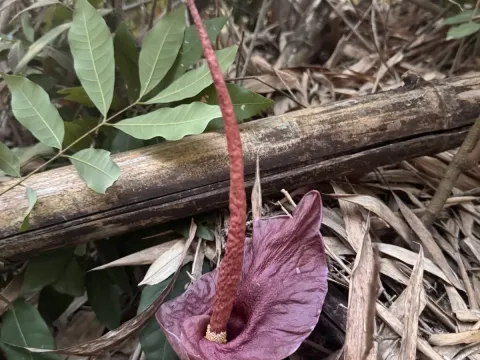
Amorphophallus
Amorphophallus
Amorphophallus, specifically Amorphophallus konjac, is a tropical crop that requires specific environmental conditions for successful planting. It is usually propagated through tubers or corm segments.
What the section contains


Amorphophallus
Planting begins when the soil temperature consistently reaches 15-18 degrees Celsius, ensuring that the tuber has exited its dormancy phase and is ready for vegetative growth.
The tubers should be planted at a depth of 10 to 15 centimeters. Proper spacing is crucial to ensure that each plant has enough room to develop its large, energy-collecting leaf structures.
In large-scale farming, raised beds or ridges are preferred to provide optimal drainage, which is vital to prevent water stagnation around the developing root system.
Early-stage development is often managed in nurseries or greenhouses in regions with shorter growing seasons to ensure the plants reach sufficient maturity before the onset of cooler weather.
The plant belongs to the Araceae family and thrives in loose, well-draining, and organic-rich soil. Avoiding compacted or heavy clay soils is essential to maintain healthy tuber development.
Soil pH should remain near neutral to slightly acidic. Providing a growing medium that allows for easy expansion of the corm is key to achieving high-quality yields in commercial production.
Amorphophallus prefers partial shade or dappled sunlight. Intense direct sun exposure can scorch the leaves and significantly reduce the plant's photosynthetic efficiency.
High humidity and consistent moisture are required during the peak growing season. However, water management must be precise, as excessive moisture often leads to rapid decay of the tubers.
Temperature control is non-negotiable: the plant requires a range between 20 and 30 degrees Celsius. Temperatures dropping below 10 degrees can induce dormancy or cause irreparable damage.
Yield is heavily dependent on the age and size of the tubers. Commercial harvesting typically targets plants that are 3 to 5 years old, as they contain higher concentrations of glucomannan.
Average yields on well-managed plantations can range between 15 and 30 metric tons per hectare, depending on soil fertility, planting density, and the frequency of fertilization.
Potassium and phosphorus-rich fertilizers are critical during the late stages of growth to maximize the accumulation of dry matter within the tuber, which directly impacts market value.
Mechanical harvesting is generally performed with specialized diggers that lift the tubers carefully to avoid scarring, which could lead to infections after the harvest.
Productivity is also measured by the purity of the glucomannan content, which is the primary reason for cultivating this crop for the food and chemical industries.
Bacterial soft rot, caused by Erwinia carotovora, remains the most significant threat to Amorphophallus, capable of decimating fields if drainage or hygiene protocols are ignored.
Fungal pathogens such as Fusarium species commonly infect tubers, especially if they have been damaged during the harvesting process or stored under high humidity.
Nematodes are a persistent soil-borne pest that can compromise the root system, stunting plant growth and creating pathways for secondary bacterial and fungal invasions.
Pests like thrips and spider mites can damage the leaves, especially in protected cultivation environments, necessitating integrated pest management strategies.
- Use of disease-free, certified planting material.
- Crop rotation of at least 3 years to break infection cycles.
- Sterilization of farming equipment.
- Application of fungicides on tuber wounds if necessary.
The harvest occurs once the foliage has completely died back and withered. This natural senescence indicates that the plant has stored all available nutrients in the tuber.
Timing is critical: the harvest must be completed before the soil temperature drops significantly, as frost can damage the tuber tissue and lead to post-harvest rot.
After excavation, the tubers are cleaned of soil and debris. A curing period in a shaded, well-ventilated space is often used to harden the surface of the tuber, protecting it during storage.
Processing involves slicing, drying, and milling the tubers into konjac flour. This flour is the core commodity, used extensively as a food additive and dietary fiber source.
Properly stored tubers, kept in cool and dry conditions, remain viable for long-term transport and industrial processing, ensuring steady supply lines for manufacturing.