
Chinese evergreen
Aglaonema modestum
Description
Growing requirements
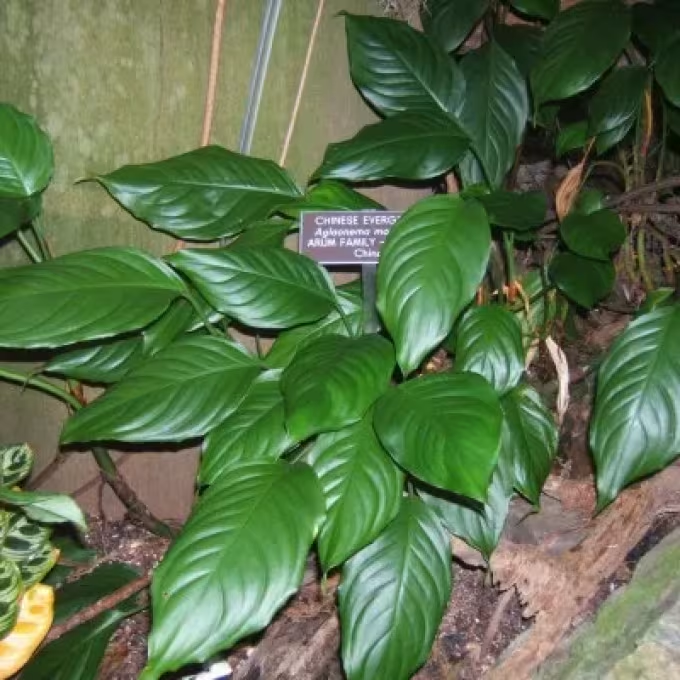
Aglaonema modestum, commonly known as Chinese evergreen, is a perennial flowering plant belonging to the Araceae family. Originating from the tropical rainforests of Southeast Asia, it is well-regarded for its adaptability and ornamental foliage.
This species is highly valued in the nursery industry for its shade tolerance and decorative appeal. It thrives best in indirect, filtered light, making it an excellent candidate for indoor commercial landscaping where full sun is not available.
Temperature requirements for optimal growth range between 20°C and 25°C. Being a tropical plant, it is susceptible to damage from cold drafts and frost, which must be carefully managed in agricultural settings to ensure the survival and vigor of the plants.
The ideal growing medium for this crop must be porous, slightly acidic, and rich in organic matter. A well-drained soil mix is essential to prevent waterlogging, as the root system is highly prone to rot when exposed to excessive moisture for prolonged periods.
Regular maintenance involves keeping the soil consistently moist but never waterlogged. High ambient humidity is preferred; thus, greenhouse cultivation often includes misting systems to mimic the natural tropical environment of the species.
Yield
The economic value of Aglaonema modestum lies in the ornamental plant trade. It serves as a staple crop for producers specializing in interior plantscaping, providing both aesthetic value and air-purifying benefits to indoor environments.
Propagation is efficiently managed through stem cuttings or division, allowing producers to standardize plant size and leaf development, which are critical metrics for commercial grading and marketability of the plants.
Main diseases and pests
Primary pests that impact the yield and aesthetic quality of the plants include mealybugs and spider mites. These pests thrive in dry conditions and can cause significant foliage damage if early detection and intervention are not implemented.
Pathogenic threats include fungal infections such as leaf spot and root rot, often exacerbated by poor ventilation or excessive irrigation. Implementing a strict Integrated Pest Management (IPM) program is essential to maintaining healthy crop stocks in commercial greenhouse environments.