
Ambrosina
Ambrosina
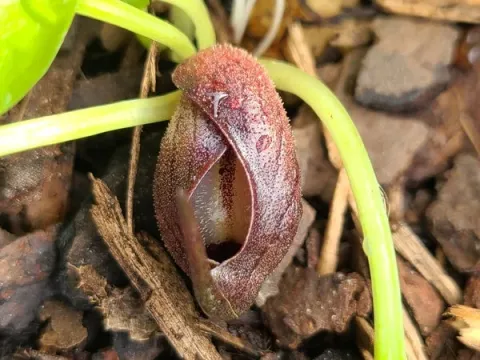
Ambrosina is a genus of flowering plants in the Araceae family, containing only one species, Ambrosina bassii, which is highly appreciated by botany enthusiasts.
What the section contains

Ambrosina
This species is native to the Mediterranean region, particularly found in Sardinia, Sicily, and parts of Italy, where it thrives in shaded and humid environments.
Botanically, it is known for its diminutive size, characterized by a rosette of leaves and a highly specialized inflorescence hidden within a spathe, which protects the reproductive organs.
In terms of cultivation, the plant requires a substrate rich in organic matter, mimicking the forest floor, and stable humidity levels to mimic its natural Mediterranean habitat.
Although it is not a traditional agricultural crop used for food or industry, it serves as a valuable subject for scientific research and specialized horticultural collections.
Ambrosina does not face the same pest pressures as large-scale agricultural crops, but it is susceptible to specific problems when grown in controlled environments.
Root rot is the most significant threat, often resulting from poorly drained substrates and overwatering, which creates anaerobic conditions for the plant's delicate root system.
Fungal pathogens can colonize the plant if the air circulation is inadequate, leading to leaf spot diseases and the degradation of the plant's overall health.
When kept indoors, it may occasionally attract common horticultural pests, including spider mites and mealybugs, which feed on the sap and inhibit development.
Effective management involves maintaining a clean growth environment, proper sterilization of potting mixes, and precise monitoring of moisture levels to prevent fungal outbreaks.