
Aglaonema nebulosum
Aglaonema nebulosum
Description
Growing requirements
Aglaonema nebulosum is an ornamental herbaceous perennial belonging to the Araceae family. Originating from the dense, humid rainforests of Southeast Asia, this species has evolved to thrive in low-light environments with high atmospheric moisture.
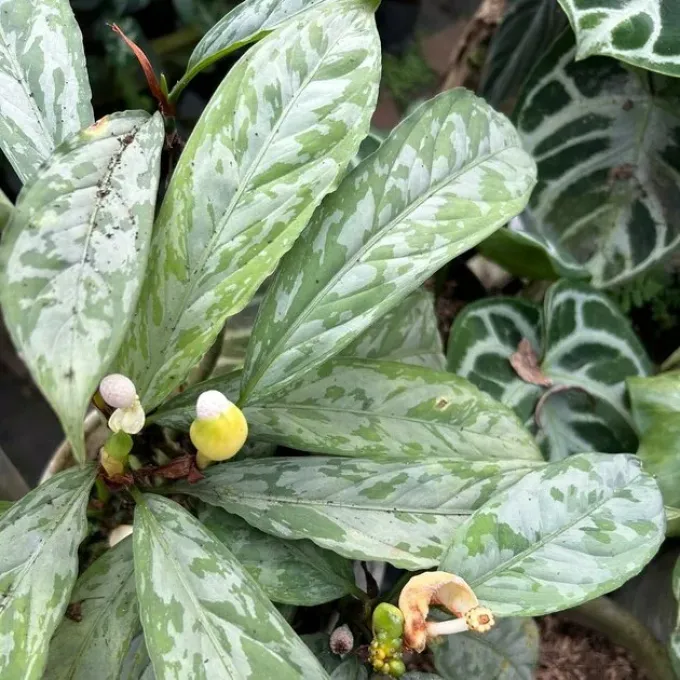
Botanically, it is characterized by a short, fleshy stem supporting a cluster of lanceolate leaves. The leaf blades feature a distinct nebulous or mottled pattern, which serves as its primary aesthetic attribute in commercial cultivation.
To ensure optimal development, the culture requires a stable temperature range of 20–25 degrees Celsius. It is highly sensitive to cold drafts and significant thermal fluctuations, which can cause physiological stress and inhibit normal vegetative growth.
The soil substrate must be porous, well-draining, and slightly acidic. A mix consisting of peat moss, pine bark, and charcoal is recommended to facilitate proper root aeration and prevent waterlogging, which is a major concern in indoor agricultural settings.
The primary economic use of Aglaonema nebulosum is in the horticultural and interior design sectors. Beyond its decorative value, it is recognized for its ability to filter common indoor air pollutants, making it a functional component of interior greening projects.
Main diseases and pests
The most significant threat to Aglaonema nebulosum is root rot, typically caused by overwatering and poor soil drainage. When the substrate remains saturated for extended periods, anaerobic conditions favor the growth of fungal pathogens that attack the root system.
Pests such as spider mites and mealybugs represent major risks to the health of the plant. Spider mites thrive in dry conditions and pierce leaf tissues to extract sap, causing stippling and yellowing, while mealybugs cluster in leaf axils, weakening the host.
Aphids can also infest new growth, causing leaf curling and potential transmission of viral diseases. Regular monitoring and physical removal of early-stage infestations are critical for maintaining the high visual standards required for commercial sale.
Leaf spot diseases, often resulting from stagnant air and excessive leaf moisture, are managed through improved ventilation and the application of appropriate systemic fungicides when necessary.
Effective management strategies include maintaining hygiene in the cultivation area, ensuring adequate spacing between plants, and using clean, disinfected tools for propagation and maintenance to minimize the spread of pathogens.