
Aglaonema hybrids
Aglaonema hybrids
Description
Growing requirements
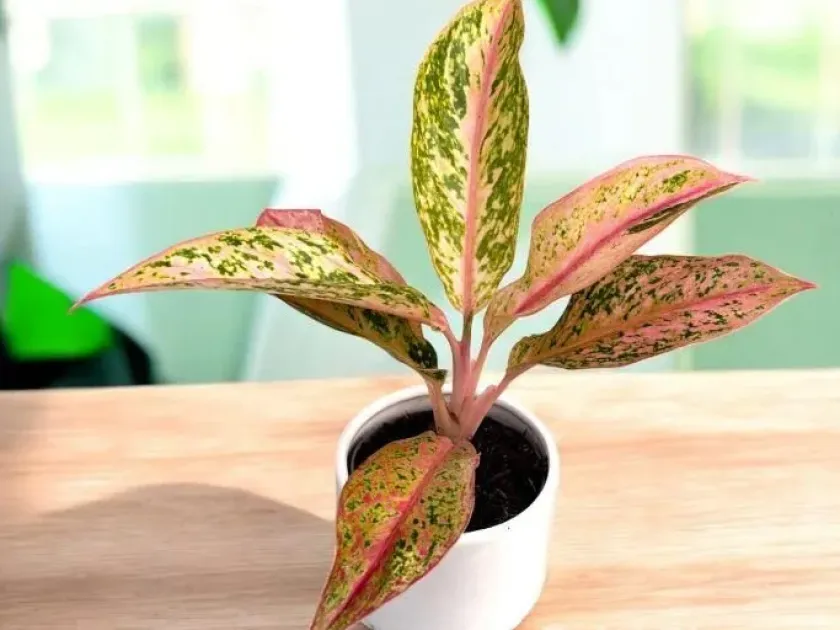
Aglaonema hybrids belong to the Araceae family and are highly prized as decorative ornamental crops. Originating from the tropical rainforests of Southeast Asia, these plants have been selectively bred for their unique leaf patterns and increased resilience in indoor environments.
The crop requires a stable thermal environment, ideally between 20°C and 25°C. Temperatures dropping below 15°C are detrimental to the plant, potentially causing permanent physiological damage and chlorosis of the foliage.
Regarding soil requirements, Aglaonema necessitates a well-draining, slightly acidic medium. A standard commercial substrate consisting of high-quality peat, perlite, and coarse sand provides the necessary aeration and moisture retention capacity for optimal root development.
Light management is crucial for Aglaonema hybrids. While they are known for their shade tolerance, excessive light intensity can scorch the leaves, whereas insufficient light leads to stem stretching and loss of the characteristic variegation patterns.
Agrotechnical maintenance includes consistent irrigation with soft, room-temperature water. During the growing season, soil moisture should be kept uniform, but it is essential to prevent waterlogging, which promotes anaerobic conditions and pathogen growth.
Main diseases and pests
Common pests affecting Aglaonema crops include spider mites, mealybugs, and scale insects. These pests thrive in environments with low air humidity, necessitating regular monitoring and the use of targeted systemic insecticides when populations exceed economic thresholds.
Pathological threats are primarily driven by soil-borne pathogens. Rhizoctonia and Pythium species often cause root rot in conditions of poor drainage and excessive humidity. Integrated pest management, emphasizing proper sanitation and controlled irrigation, is the primary method of disease control.