
Aglaonema pictum
Aglaonema pictum
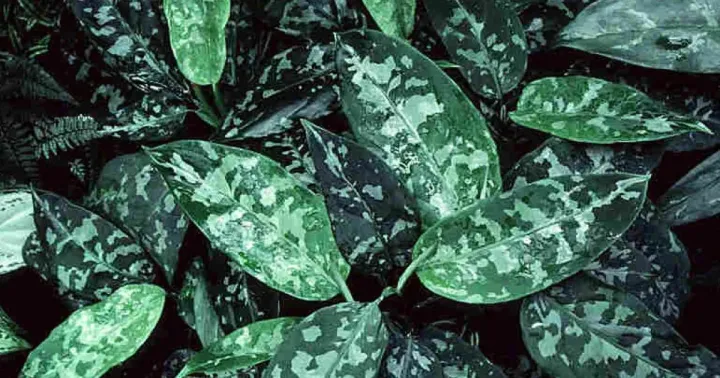
Description
Growing requirements
Aglaonema pictum is an herbaceous perennial belonging to the Araceae family, renowned for its distinctive "camouflage" leaf pattern. It originates from the tropical rainforests of Southeast Asia, specifically thriving in the humid understories of Indonesia and the Philippines.
Cultivation requires a stable temperature range of 22°C to 28°C. Exposure to temperatures below 18°C can cause significant stress, leading to stunted growth or irreversible tissue damage, which is detrimental to its commercial value.
The plant thrives in high humidity environments, ideally maintained between 70% and 80%. In greenhouse conditions, consistent moisture is vital, though it must be balanced with adequate airflow to prevent fungal proliferation.
Optimal soil conditions demand a highly porous, well-draining substrate with a slightly acidic pH between 5.5 and 6.5. A mix containing sphagnum moss, orchid bark, perlite, and coconut coir is recommended to ensure both aeration and nutrient availability.
Irrigation should be managed carefully, ensuring the substrate dries slightly between waterings. Use only filtered or rain water, as the plant is sensitive to the chlorine and mineral salts found in tap water, which can cause leaf edge browning.
Main diseases and pests
The primary agronomic threats include root rot and fungal spotting, often triggered by waterlogged soil and poor ventilation. Maintaining a strict sanitation schedule is critical for preventing these infections.
Pests such as spider mites, mealybugs, and scale insects frequently colonize the plant. These pests thrive in dry air conditions and can cause severe damage to the foliage, diminishing the plant's aesthetic appeal.
Integrated pest management (IPM) strategies, including biological controls or targeted systemic insecticides, are necessary when infestations exceed manageable levels. Early detection through regular monitoring of the leaf undersides is crucial.
Bacterial diseases, characterized by soft, water-soaked spots, often emerge when plants are subjected to excessive fertilization and high temperatures simultaneously. Proper spacing between plants is essential to manage moisture levels.
Maintaining optimal hygiene, including the removal of dead or decaying foliage, is a key component of prevention. Using clean, sterile containers and fresh media during every repotting session significantly reduces the risk of disease transmission.