
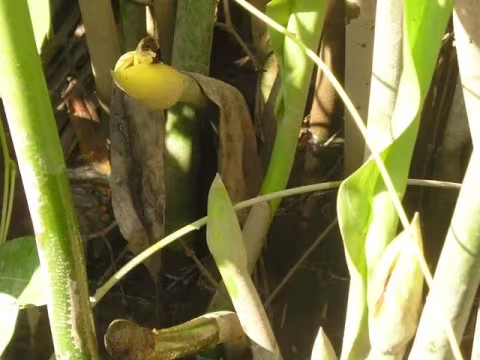
Aglaodorum
Aglaodorum
Aglaodorum is a monotypic genus of flowering plants in the family Araceae. Its sole species, Aglaodorum griffithii, is a specialized plant adapted to life in marshy environments.
What the section contains

Aglaodorum
The plant originates from the tropical regions of Southeast Asia. It is primarily found growing in mangrove swamps and tidal zones across Indonesia, Malaysia, and Borneo.
Botanically, it is characterized by its succulent habit and ability to thrive in waterlogged soils. It serves as a structural component of the coastal vegetation in its native range.
The climate requirements for Aglaodorum are strictly tropical, necessitating high temperatures throughout the year. It requires consistently high humidity and a water-saturated soil medium to grow properly.
Regarding cultivation, the plant is not a traditional agricultural crop but is of significant botanical interest. It requires an environment that mimics the tidal flow and rich, muddy substrate of its natural habitat.
Aglaodorum faces several environmental and biological threats that can impact its overall health and survival in the wild.
Root rot, driven by stagnant water conditions that lack oxygen, is a primary threat to the plant's subterranean parts.
Fungal infections can proliferate on the foliage if air circulation is poor, causing discoloration and tissue necrosis.
Various localized pests, including sap-sucking insects and leaf-miners, represent a constant pressure on the plant's vegetative organs.
Climate change and the disruption of coastal tidal regimes pose a long-term risk to the habitat stability of this unique species.