
Adenocarpus viscosus
Adenocarpus viscosus
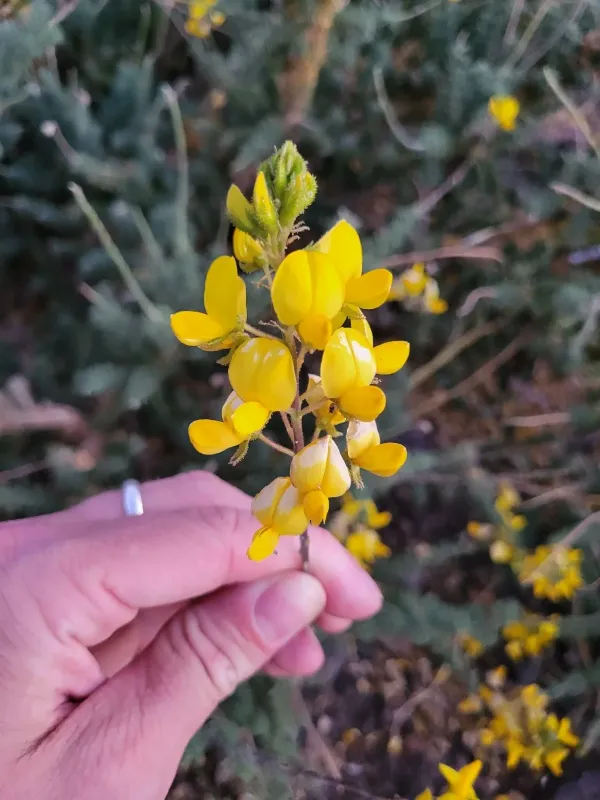
Description
Growing requirements
Adenocarpus viscosus, commonly known as a type of sticky broom, is a shrub species belonging to the Fabaceae family. Native to the Canary Islands, it is primarily found in high-altitude volcanic regions, showcasing extreme adaptation to harsh, rocky environments.
The plant is distinguished by its sticky, gland-covered stems and trifoliate leaves. This characteristic stickiness helps the plant protect itself from excessive evaporation and herbivory in its native, arid, and sunny mountainous habitats.
Cultivation requires full sun exposure and excellent soil drainage. Being a legume, it performs best in soils where airflow to the root system is unobstructed, and it thrives in nitrogen-poor conditions due to its ability to fix atmospheric nitrogen.
In terms of agricultural management, irrigation should be carefully controlled to prevent waterlogging. It is remarkably drought-tolerant once established but requires consistent care during the early stages of growth to develop a strong root system.
The plant is frequently utilized in ecological restoration projects. Its ability to colonize degraded volcanic soils and enrich them with organic nitrogen makes it an essential species for maintaining biodiversity in its native range.
Main diseases and pests
Primary disease threats to Adenocarpus viscosus include fungal pathogens, particularly root rot, triggered by high humidity and poor soil structure. These conditions are detrimental to the root health of the shrub.
Common pests include aphids and spider mites, which are attracted to the plant's resinous surface. These insects can weaken the plant by feeding on the sap, leading to stunted development if left untreated.
Effective management requires proactive monitoring of the foliage and stems. Maintaining proper plant spacing ensures that airflow remains adequate, which naturally limits the proliferation of fungal spores and pest colonies.
Preventative cultural practices, such as pruning dead or damaged branches, play a critical role in preserving the structural integrity and health of the plant throughout the growing season.
Chemical intervention should be considered a last resort. Integrated Pest Management (IPM) strategies, favoring mechanical removal and biological controls, are preferred to protect the natural balance of the ecosystem where this crop is planted.