
Spanish adenocarpus
Adenocarpus hispanicus
Description
Growing requirements
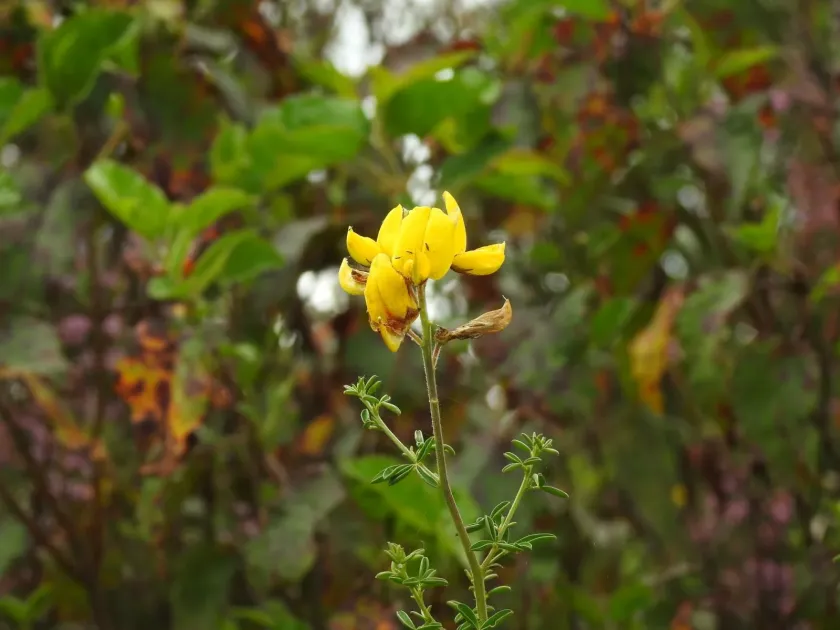
The Spanish adenocarpus (Adenocarpus hispanicus) is a perennial leguminous shrub known for its dense, hairy foliage and vibrant yellow flowers. Being a member of the Fabaceae family, it has adapted to specific ecological niches, primarily within the Iberian Peninsula, where it thrives in rocky mountainous terrain.
Botanically, the plant is characterized by a compact branching structure and trifoliate leaves that help it manage transpiration under high temperatures. Its growth habit makes it a valuable species for ecological restoration in regions with challenging, nutrient-poor, or rocky soil profiles.
Regarding soil requirements, this species demands excellent drainage and a neutral to slightly acidic environment. It is intolerant of waterlogging, which often leads to root fungal infections. Growers should prioritize sites with high permeability to ensure the longevity and health of the shrub.
The plant is categorized as a heliophyte, meaning it requires full sun exposure for optimal metabolic activity and blooming. It has significant tolerance to high light intensity and drought conditions, making it an excellent candidate for xeriscaping and sustainable gardening projects in Mediterranean-like climates.
In terms of agricultural utility, Spanish adenocarpus serves as a nitrogen-fixing species that helps enrich depleted soils through symbiotic relationships with Rhizobium bacteria. This biological feature makes it a sustainable choice for erosion control and slope stabilization, where it improves the long-term fertility of the site.