
Adenocarpus complicatus
Adenocarpus complicatus
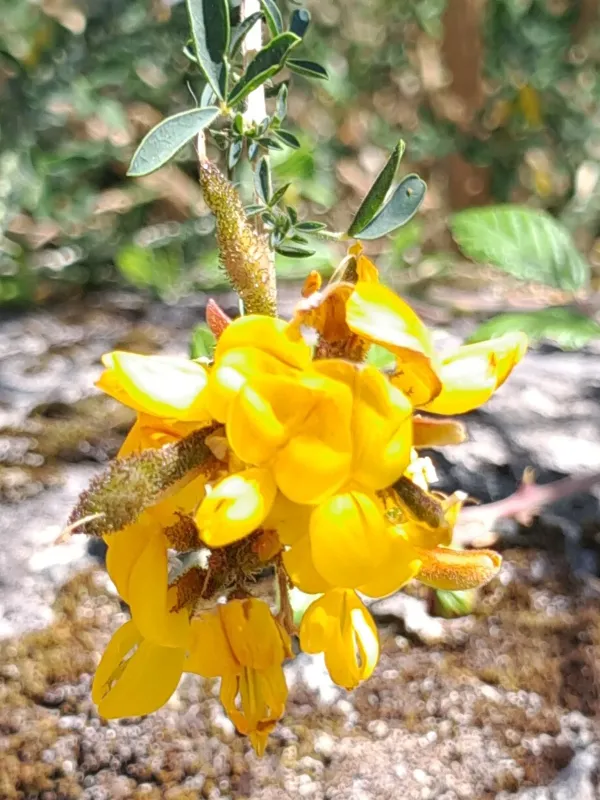
Description
Sowing dates
Sowing seeds of Adenocarpus complicatus is typically planned for the spring season when soil temperatures reach 15–18 degrees Celsius. To improve germination rates, seeds often undergo stratification or scarification, as their tough seed coat can otherwise hinder uniform emergence.
When starting as seedlings indoors, seeds should be sown in containers in late winter, ensuring consistent moisture and ample light. Transplants are moved to their permanent outdoor location only after the danger of late frost has passed.
Spacing between plants should be at least 1–1.5 meters, considering the shrub's tendency to spread vigorously. This distance is essential to ensure adequate airflow and reduce the likelihood of fungal outbreaks within the foliage.
The selection of a planting site should favor well-lit southern slopes that offer protection from cold northern winds. Because the plant does not tolerate root disturbance well, it is vital to select the permanent location carefully before planting.
Preparing the substrate is a critical step, as it must be exceptionally well-drained. Incorporating a layer of gravel or sand at the bottom of the planting hole is mandatory to prevent moisture accumulation near the root crown.
Growing requirements
Adenocarpus complicatus is a perennial shrub belonging to the Fabaceae family, native to the Mediterranean region. It thrives in well-drained, sandy, or rocky soils with a neutral to slightly acidic pH level.
This crop is highly drought-tolerant, a trait developed through its natural adaptation to lean, nutrient-poor substrates. It is extremely sensitive to waterlogging and heavy clay soils, which quickly lead to root rot and systemic failure of the plant.
The optimal temperature range for growth is between 20 and 28 degrees Celsius during the summer months. In cooler climates, the plant requires winter protection, as it lacks high frost hardiness and can sustain significant damage at extreme low temperatures.
Agrotechnical management involves minimal fertilization, as the plant naturally fixes nitrogen from the atmosphere through symbiotic root bacteria. Excessive organic or mineral fertilizer may inhibit flowering by encouraging vegetative growth instead of blooms.
Regular pruning is an essential maintenance task used to maintain a compact, aesthetically pleasing shape and encourage the development of new flower buds. This should be performed immediately after the peak flowering season ends in early summer.
Main diseases and pests
Root rot is the primary threat to Adenocarpus complicatus, usually resulting from poor drainage or improper irrigation management. Symptoms include leaf wilting and darkening of the stem base, which often progresses to the death of the entire plant.
Aphids are the most common pests, frequently colonizing young shoots and inflorescences. Control measures include the use of systemic insecticides or biological solutions, such as encouraging natural predators or applying insecticidal soap.
Powdery mildew may affect the foliage during periods of high humidity and poor crown ventilation. Preventive measures include timely thinning of the shrub and avoiding overhead irrigation during evening hours.
Spider mites can become a problem during prolonged hot and dry spells. Upon detection of fine webbing on the underside of leaves, a targeted application of acaricides, following the manufacturer's instructions, is necessary.
In regions with harsh winters, weakened plants are susceptible to bark necrosis caused by rapid temperature fluctuations. Adhering to proper care practices and preparing the plants adequately for winter helps minimize these biological risks.