
Adenocarpus decorticans
Adenocarpus decorticans
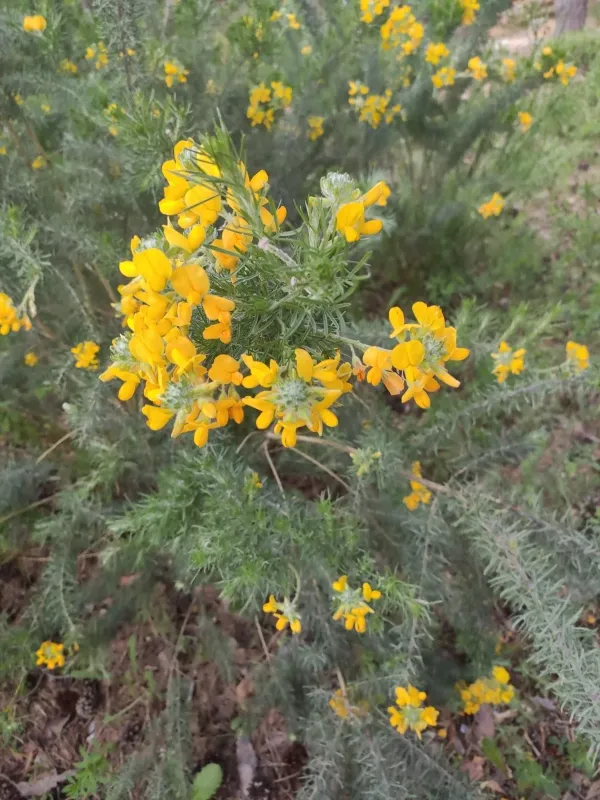
Description
Growing requirements
Adenocarpus decorticans is a perennial shrub belonging to the Fabaceae family. It is recognized for its dense, vibrant yellow flowers and distinct, slightly hairy foliage.
The plant originates from the Mediterranean region, specifically flourishing in the mountainous regions of southern Spain. It has adapted to thrive in harsh, rocky terrains where many other species would struggle.
Successful cultivation requires full sun exposure and excellent soil drainage. The plant is sensitive to waterlogging, making it essential to choose sites with sandy or gravelly soil compositions.
Regarding climate, this shrub is highly adapted to arid and semi-arid conditions. It exhibits significant drought resistance, making it an ideal candidate for water-wise landscaping projects.
In terms of usage, it serves primarily as an ornamental shrub for parks and residential gardens. Its nitrogen-fixing ability also makes it a beneficial plant for restoring degraded, nutrient-poor lands.
Main diseases and pests
Root rot is the most common threat to Adenocarpus decorticans, usually caused by poorly drained soil or excessive irrigation during the dormant season.
Pests such as seed-eating larvae can cause damage to the pods, impacting the long-term reproductive capacity of the shrub in natural or nursery environments.
Inadequate light exposure is a significant cultural threat. When grown in shade, the plant becomes prone to stem elongation and weakening, making it susceptible to secondary pathogen attacks.
Integrated pest management, focusing on proper spacing and air circulation, is crucial to prevent fungal infections. Maintenance should focus on avoiding any soil compaction around the root zone.
If chemical treatments are necessary, they should be applied cautiously. Monitoring for signs of aphid infestation during the early spring growth phase is recommended to maintain optimal plant health.