
Adenocarpus anisochilus
Adenocarpus anisochilus
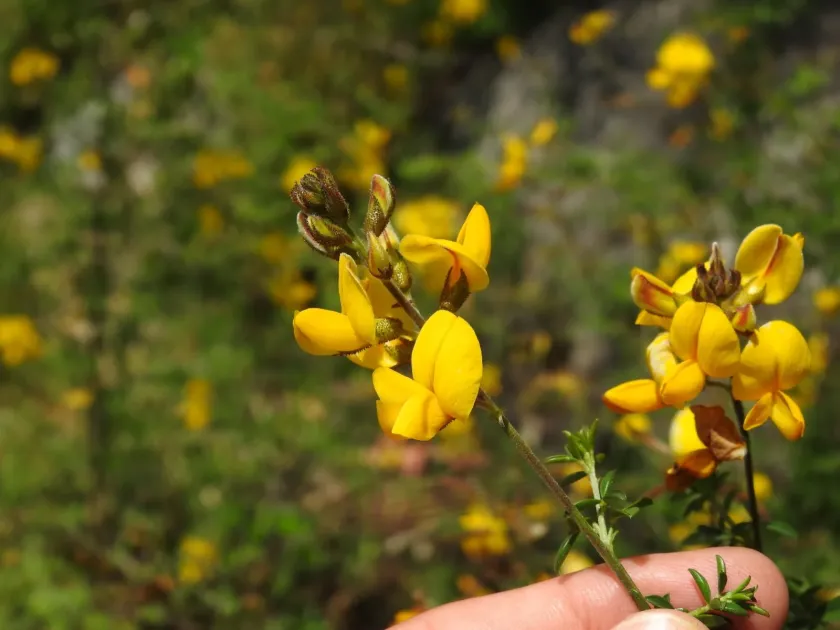
Description
Growing requirements
Adenocarpus anisochilus is a perennial shrub belonging to the Fabaceae family. This species is native to specific Mediterranean environments, demonstrating evolutionary traits that allow it to thrive in rugged, sun-drenched landscapes.
The crop thrives in well-draining, stony, or sandy soil substrates. It is exceptionally well-adapted to environments where water scarcity is common, reflecting its drought-resistant nature in arid and semi-arid climates.
Adequate sunlight is the primary requirement for the plant’s development, as it promotes vigorous growth and enhances the flowering phase. Shaded environments are detrimental to the plant’s health and overall architecture.
In terms of temperature, this shrub prefers mild to warm conditions. It is highly sensitive to excessive soil moisture, which necessitates the use of raised beds or natural slopes in cultivation scenarios to facilitate proper drainage.
As a legume, the plant significantly contributes to soil fertility. Its ability to host nitrogen-fixing bacteria makes it a valuable candidate for land restoration projects and soil conservation efforts in depleted agricultural areas.
Main diseases and pests
The most significant threat to Adenocarpus anisochilus is the development of root-borne pathogens triggered by waterlogged conditions. Preventing water accumulation near the root zone is the most critical management step.
Pests such as spider mites and aphids may become problematic during periods of intense heat and low humidity. Early detection is essential to minimize potential damage to the foliage and stems.
Fungal diseases like powdery mildew can affect the plants if airflow is insufficient. Proper spacing during planting and regular pruning help to maintain adequate ventilation throughout the shrub canopy.
Maintaining a balanced nutrient profile is essential, as over-fertilization with nitrogen can weaken the plant and make it more susceptible to environmental stressors and secondary pest attacks.
Sanitation is key to disease prevention; all dead or diseased branches should be promptly removed and disposed of to prevent the spread of pathogens throughout the planting area.