
Adenocarpus argyrophyllus
Adenocarpus argyrophyllus
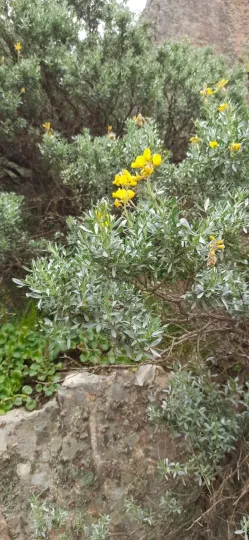
Description
Growing requirements
Adenocarpus argyrophyllus is a perennial shrub belonging to the Fabaceae family. It is recognized for its unique silver-hued foliage, which acts as a protective adaptation to high-altitude and solar-exposed habitats in its native Mediterranean region.
This species thrives in well-drained, nutrient-poor, rocky, or sandy soils. It is highly intolerant of waterlogged conditions, making proper soil aeration and drainage the most important factors for long-term survival in garden environments.
Cultivation requires full sun exposure. In natural habitats, these shrubs occupy open slopes where they receive high levels of ultraviolet radiation. Inadequate light levels will lead to sparse foliage and the loss of the plant's characteristic compact habit.
Agrotechnical management is relatively minimal once the plant is established. It is well-suited for xeriscaping and sustainable landscaping, as it requires very low water inputs and does not need regular fertilization or intensive soil amendment.
The cultural use of this plant is primarily ornamental. It is highly valued for erosion control on slopes and for its aesthetic contribution to rock gardens, where its metallic appearance creates a strong contrast with green-leaved vegetation.
Main diseases and pests
The most significant threat to the health of Adenocarpus argyrophyllus is root rot. This fungal disease is almost exclusively caused by overwatering or poor soil drainage, necessitating careful irrigation management throughout the growing season.
Pests, such as aphids, may occasionally colonize the soft tips of new growth. While usually not lethal, heavy infestations can weaken the plant and reduce its aesthetic appeal, requiring early intervention with mild contact insecticides.
Winter survival can be compromised by excessive soil moisture and cold stress. In temperate climates, providing a layer of mulch around the root zone helps protect the plant, but this must be kept away from the stem to avoid rot.
Late spring frosts can damage emergent buds and new foliage. While the shrub is generally hardy, significant frost damage may require light pruning to remove necrotic tissue and encourage secondary growth from healthy buds.
Pathogen prevention is best achieved through proper spacing, which allows for optimal air circulation around the canopy. Dense plantings should be avoided to prevent the buildup of humidity and the subsequent risk of fungal infections.