
Adenocarpus anagyrifolius
Adenocarpus anagyrifolius
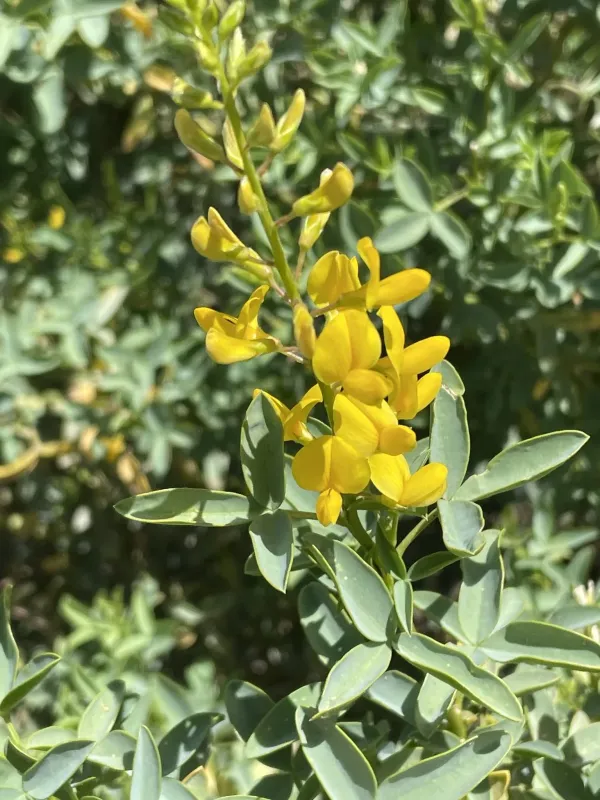
Description
Growing requirements
Adenocarpus anagyrifolius is a perennial shrub belonging to the Fabaceae family. It is recognized for its unique botanical structure, typical of legumes adapted to Mediterranean or mountain environmental conditions.
The plant thrives in well-drained, sandy or rocky soils, which mimic its native habitat. It does not tolerate waterlogged conditions, so ensuring excellent drainage at the planting site is essential for its survival and long-term health.
In terms of light exposure, this species requires full sun to maintain its structural integrity and encourage vigorous flowering. Exposure to limited light usually results in weak, spindly growth and reduced overall vitality.
Temperature requirements are centered on a temperate climate; however, the species is known for its resilience to heat and occasional dry spells once the root system is well-established. It requires protection from harsh, drying winter winds in colder regions.
Agrotechnical practices involve minimal fertilization, as the species is adapted to nutrient-poor soils. Pruning is recommended after the flowering period to maintain a dense, compact shape and to promote new growth for the following season.
Main diseases and pests
Root rot is the most significant threat to this shrub, primarily caused by improper soil moisture management or heavy, non-porous soil types. Maintaining adequate soil aeration is the primary preventive measure.
Pests such as mites and aphids may occasionally target the foliage during the growing season. Early detection through regular inspections allows for the effective management of these insects using biological or integrated control methods.
Fungal diseases like powdery mildew can occur if the plant is situated in an area with poor air circulation and high relative humidity. Ensuring sufficient spacing between plants is crucial for adequate ventilation.
Environmental stress, particularly during extreme winter temperatures, can impact the plant's resistance. Mulching the base of the shrub helps maintain a stable soil temperature and provides a protective layer against freezing.
To ensure robust health, avoid excessive nitrogen fertilization, which can promote lush green growth that is more susceptible to pests. A balanced approach to nutrition and water management remains the core of successful cultivation.