
Adenocarpus foliosus
Adenocarpus foliosus
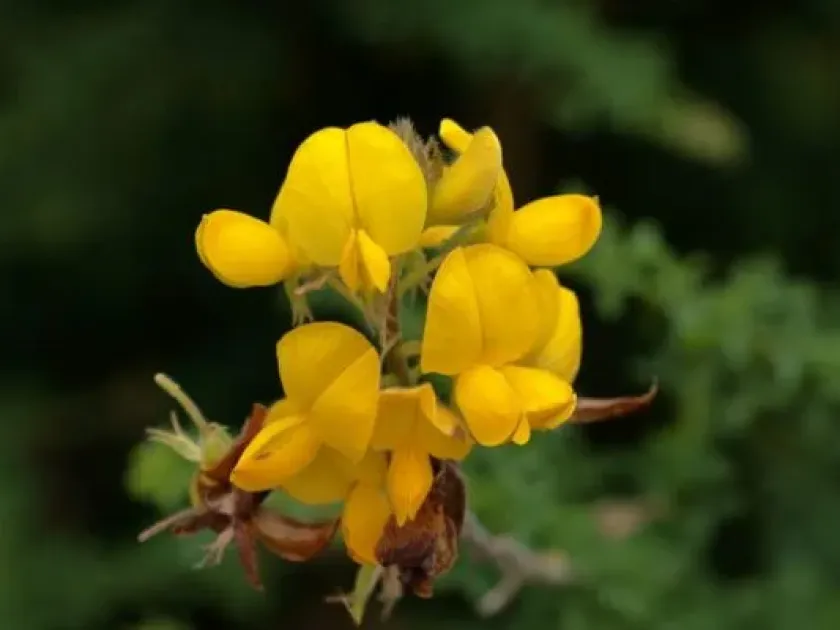
Description
Growing requirements
Adenocarpus foliosus is a perennial shrub belonging to the Fabaceae family. This species is native to the Canary Islands, where it thrives in specific high-altitude ecological niches, characterized by volcanic soils and rugged terrain.
The plant requires well-drained, sandy, or rocky soil to prevent root rot, which is a common issue in heavier substrates. It is highly adapted to arid conditions and intense solar radiation, making it suitable for Mediterranean-style gardens.
Climatic requirements involve full exposure to sunlight and good ventilation. While it can handle poor soil conditions, providing a substrate with moderate mineral content promotes healthier growth and more vigorous flowering cycles during the season.
Cultural practices for this species are relatively low-maintenance due to its natural hardiness. As a legume, it forms a symbiotic relationship with nitrogen-fixing bacteria, allowing it to thrive in nutrient-poor environments and contribute to soil enrichment.
The plant is mainly utilized for environmental restoration and ornamental purposes. Its deep root system helps stabilize slopes, while its attractive inflorescences make it a valuable addition to xeriscaping projects and rock gardens.
Main diseases and pests
The most significant threats to Adenocarpus foliosus include fungal pathogens, particularly those causing root rot under excessive humidity. Poor air circulation and saturated soils create an ideal environment for pathogenic fungi to thrive.
Pests such as aphids and various beetles can damage the tender foliage and flower buds. Significant infestations can weaken the plant, reducing its decorative value and making it more susceptible to secondary viral or bacterial infections.
Environmental threats involve habitat degradation caused by invasive species and overgrazing in its natural range. These activities reduce the density of native populations and prevent natural regeneration of the species.
Management of these threats requires rigorous sanitation, including the pruning of infected branches and monitoring for early pest signs. Implementing an integrated pest management strategy helps maintain the health of the specimens.
To ensure long-term sustainability, it is recommended to maintain optimal moisture levels. Avoiding water-logging and ensuring the plant has sufficient space for air circulation are the primary defenses against disease outbreaks in a controlled environment.