
Adenocarpus telonensis
Adenocarpus telonensis
Description
Growing requirements
Adenocarpus telonensis is a perennial shrub belonging to the Fabaceae family. It is native to the Mediterranean basin, specifically found in parts of France and the Iberian Peninsula, where it thrives in rocky or sandy substrates with low nutrient availability.
The crop is highly adapted to arid conditions and requires well-drained, porous soil to prosper. It is intolerant of waterlogging, which often leads to root rot, so careful irrigation management is essential for long-term health and growth in agricultural or garden settings.
Environmental conditions for optimal growth include full sun exposure, as the plant is heliophilic. It has limited frost tolerance and generally prefers temperate, maritime-influenced climates. In colder regions, protection during winter is required to prevent foliage dieback and plant stress.
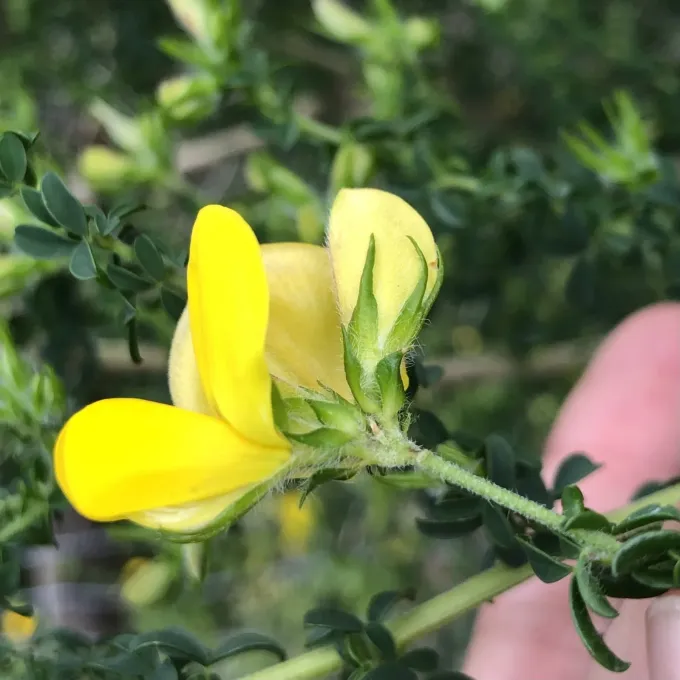
The botanical features of this species include small, trifoliate leaves and bright yellow, pea-like flowers arranged in terminal clusters. The shrub maintains a compact and dense structure, which is highly valued for ornamental purposes and structural planting in landscaping.
Economically, Adenocarpus telonensis is utilized for its role in nitrogen fixation, which contributes to soil health and fertility. This biological trait, combined with its drought resistance, makes it a valuable species for soil conservation and land restoration projects in suitable environments.
Main diseases and pests
The primary threats to this species include fungal diseases such as powdery mildew, which can occur during periods of high humidity and poor air circulation. Maintaining proper spacing and pruning helps to minimize these risks significantly.
Pest pressures are typically focused on sap-sucking insects like aphids and spider mites. Monitoring the health of the plant during the active growing season is crucial, as early detection allows for effective management using standard insecticidal treatments or biological control.