
Adenocarpus lainzii
Adenocarpus lainzii
Description
Growing requirements
Adenocarpus lainzii is a perennial shrub belonging to the Fabaceae family, recognized primarily for its presence as an endemic species in specific mountainous zones of Spain. This plant is well-adapted to high-altitude environments characterized by rocky terrain and limited nutrient availability.
The cultural requirements of this species focus on the need for well-draining, slightly acidic to neutral soils. It thrives in open, sunny locations where it can utilize direct solar radiation for physiological processes, making it highly resilient to harsh mountain climates.
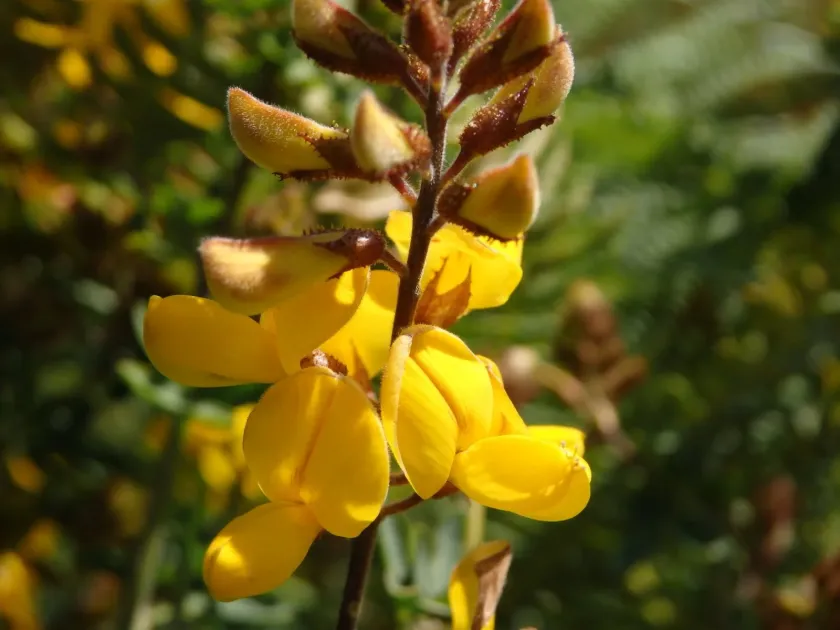
Botanically, Adenocarpus lainzii is characterized by its bright yellow flowers and glandular hairs on its leaves and stems, which serve as an adaptation to reduce water loss. These features allow the plant to survive in conditions where water retention is critical for plant health.
As a legume, the species maintains a symbiotic relationship with nitrogen-fixing bacteria in the soil. This trait makes it an ecologically significant plant for soil enrichment in regions where it naturally occurs, contributing to the stability of the local soil structure.
Although it is not a traditional food or fiber crop, its role in ecological restoration and potential use as a genetic resource for breeding stress-tolerant legumes is a topic of increasing interest in agricultural and botanical studies.
Main diseases and pests
The primary threats to Adenocarpus lainzii are related to its limited distribution range. Changes in the local microclimate, particularly extended droughts, can impede its natural regeneration and limit the expansion of existing populations.
Pathogenic threats include various fungal infections, particularly during periods of uncharacteristic moisture, which can compromise the root systems and stems. Monitoring for these diseases is essential, especially when attempting to propagate the plant outside of its natural habitat.
Herbivory, particularly from livestock grazing in mountainous areas, poses a major risk. Mechanical damage to the shrub not only stunts its growth but also provides entry points for various secondary pathogens that can kill the plant.
Insects that target legume seeds and pods are another concern. Significant infestations can lead to poor seed sets, which is problematic for a species that relies on natural recruitment to sustain its populations in challenging alpine conditions.
Effective management strategies for this species involve maintaining habitat integrity and preventing soil compaction. Future agricultural research should focus on understanding the specific soil microbiology necessary for the healthy growth of this rare legume.