
Adenia spinosa
Adenia spinosa
Description
Sowing dates
Propagation of Adenia spinosa is primarily achieved through seeds, which should be sown during the spring months. Use a highly porous, well-draining substrate mix such as sand, perlite, and a small amount of fine pumice.
Maintain a stable temperature between 25–28°C to ensure successful germination. It is crucial to keep the substrate lightly moist but never waterlogged to prevent early-stage seedling damping-off.
Seedlings typically emerge within two to four weeks. Once the first true leaves are developed, transplant them carefully into individual small pots that provide optimal drainage for their delicate root systems.
Cuttings can be taken from mature plants, though this method is notoriously difficult due to the succulent's tendency to rot. Allow cuttings to callus for several days in a shaded, dry area before planting.
Applying rooting hormones can improve success rates, but consistency in light and ventilation remains the most significant factor for young plant development after propagation.
Growing requirements
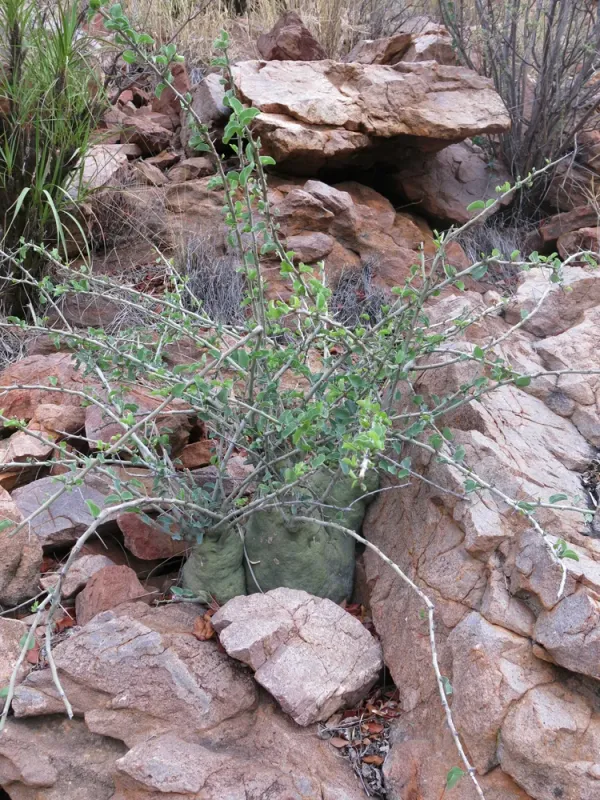
Adenia spinosa is a member of the Passifloraceae family, known for its thickened, tuberous caudex. Originating from the arid regions of Southern Africa, it is highly adapted to intense heat and drought.
This species requires full, direct sunlight to maintain its compact and sculptural form. When grown indoors, a south-facing window or high-output supplemental grow lights are essential for its health.
The potting medium must be inorganic and fast-draining. A mix consisting of 60% grit or gravel and 40% organic potting soil provides the necessary environment to prevent root rot and ensure aeration.
Watering should be deep during the active growing season, followed by a total drying period. As the plant enters dormancy in winter, watering should be strictly limited to prevent tissue collapse.
Fertilization should be kept to a minimum, utilizing a balanced, low-nitrogen liquid fertilizer once a month during peak summer. Excessive nitrogen can force soft growth, which is susceptible to physiological stress.
Main diseases and pests
Root and caudex rot, primarily caused by overwatering, remains the number one threat to Adenia spinosa. If the caudex feels soft or discolored, immediate repotting and trimming of affected roots are required.
Spider mites are a persistent pest, especially in dry, warm environments. These tiny insects feed on the leaves, leaving unsightly yellow spots and fine webs, which can be mitigated with regular acaricide treatments.
Mealybugs are known to harbor in the crevices of the branches and around the base of the thorns. Regular cleaning with cotton swabs dipped in rubbing alcohol is an effective non-toxic management strategy.
Fungal infections can occur during periods of high humidity and poor ventilation. Keeping the plant in a space with consistent air movement is essential to prevent the development of leaf spot diseases.
Monitoring the plant for signs of stress is vital, as Adenia spinosa is slow to recover from environmental damage. Proper diagnosis of pests and pathogens early on is critical to preserving the integrity of the caudex.