
Adenia cardiophylla
Adenia cardiophylla
Description
Growing requirements
Adenia cardiophylla is a member of the Passifloraceae family, originating from the tropical regions of Southeast Asia. This species is highly valued by collectors for its distinct caudex, which functions as a water storage organ, allowing it to withstand long dry seasons in its natural habitat.
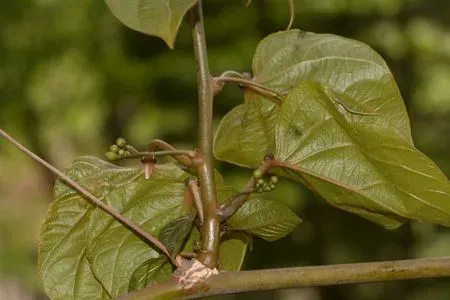
The plant exhibits a climbing habit with distinctive heart-shaped leaves, which gives it a high aesthetic value. In cultivation, it requires a well-structured trellis or support system to manage its sprawling stems effectively during the growing season.
In terms of climate, Adenia cardiophylla demands a warm, frost-free environment. Temperatures should ideally range between 20°C and 30°C for optimal growth. Exposure to cold drafts must be avoided, as the plant is highly susceptible to chilling injury.
The soil requirements are strict: the medium must be highly porous and inorganic. A mixture of pumice, lava rock, and a small portion of peat or organic matter is recommended to ensure that excess water drains away from the roots immediately.
Proper water management is essential for this culture. During the active growth phase, the substrate should be allowed to dry out almost completely between watering intervals to prevent internal tissue damage and rot.
Main diseases and pests
Root rot, caused by overwatering or poor substrate drainage, is the primary threat to the health of Adenia cardiophylla. Once the caudex begins to soften due to decay, the plant is often impossible to save.
Spider mites are the most common pests that affect the foliage, especially in low-humidity environments. These mites feed on the underside of the leaves, causing chlorosis and eventual leaf drop.
Mealybugs are another potential pest, often hiding in the crevices of the caudex or near the base of the stems. If left untreated, they can cause significant stress and stunt the overall development of the plant.
Fungal infections can also occur if water remains stagnant on the stems after heavy irrigation. Proper airflow and consistent monitoring are crucial to prevent the spread of these pathogens.
The use of balanced, diluted fertilizers during the peak growing season helps maintain plant vigor and increases its natural resistance to minor pest infestations and environmental stress.