
Adenia ecirrosa
Adenia ecirrosa
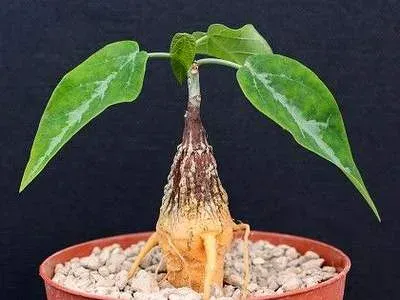
Description
Growing requirements
Adenia ecirrosa belongs to the Passifloraceae family and is recognized as a distinctive caudiciform succulent. Native to arid regions of Africa, this plant has adapted to survive in harsh environmental conditions by storing water in its swollen stem.
Botanically, the plant is characterized by a thick, woody base known as a caudex, which provides the necessary energy reserves during dormant periods. Its growth habit is xerophytic, meaning it thrives in dry environments with limited precipitation.
Optimal cultivation requires a highly porous and well-draining soil mix to ensure roots do not remain damp. A combination of coarse sand, pumice, and minimal organic matter is highly recommended for healthy growth.
The plant requires significant light exposure to maintain its compact form. In an indoor setting, placing the specimen near a south-facing window is essential to simulate the intense sunlight of its native habitat.
While primarily cultivated by succulent enthusiasts and collectors, Adenia ecirrosa holds value for its unique architectural form. It is generally not grown for agricultural produce but rather for its aesthetic appeal in specialized horticultural collections.
Main diseases and pests
The primary threat to the health of Adenia ecirrosa is overwatering, which quickly leads to root and stem rot. Maintaining a dry substrate is critical to preventing lethal fungal infections.
Pests commonly associated with this species include spider mites and mealybugs. These insects often thrive in environments with poor air circulation or low humidity levels around the foliage.
To control pest infestations, growers should inspect the plant frequently and utilize appropriate systemic insecticides when necessary. Prevention is always more effective than treating established infestations.
Fungal issues such as soft rot are frequently triggered by poor drainage or high humidity. Ensuring proper air movement around the plant helps to significantly mitigate these environmental risks.
Growers are advised to quarantine new acquisitions to prevent the introduction of pathogens or pests into an established collection, ensuring long-term plant health.