
Adenia epigea
Adenia epigea
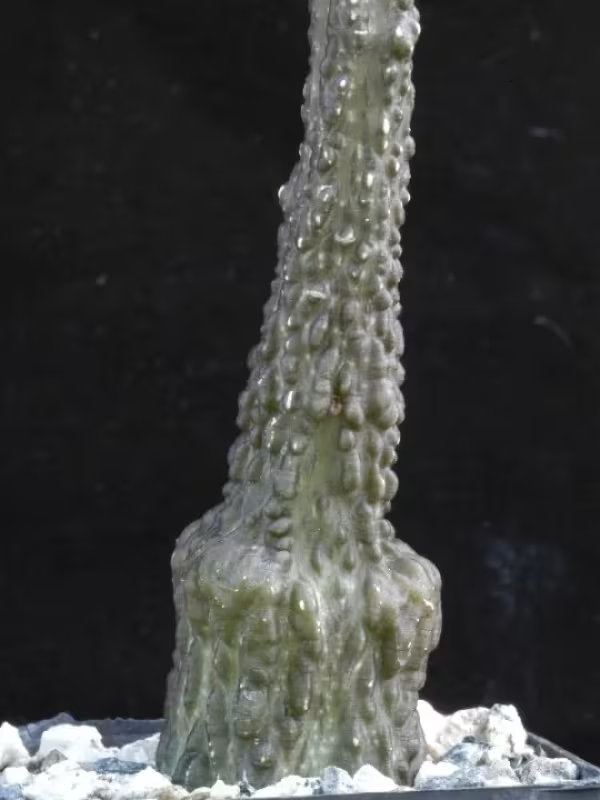
Description
Sowing dates
Propagation of Adenia epigea is most successfully achieved through seeds, which helps in the development of a natural, bulbous caudex that is characteristic of the species.
Seeds should be sown in a highly porous, sterile potting mix consisting mainly of inorganic components like pumice, perlite, and coarse sand.
Optimal germination occurs at temperatures between 25 and 30 degrees Celsius, requiring a consistent environment with moderate humidity during the initial stages.
Once seedlings have developed their primary leaves, they should be gradually acclimated to lower humidity levels to prevent fungal damping-off.
Care should be taken during the first repotting to avoid damaging the fleshy taproot, which is essential for the future structural development of the plant.
Growing requirements
Adenia epigea is a member of the Passifloraceae family, originating from arid regions of Africa where it has evolved to store water in its swollen stem base.
This species requires intense light exposure, preferably full sun or high-intensity grow lights, to maintain a compact and healthy growth habit.
The soil must be extremely well-draining; a mix designed for cacti and succulents is ideal to prevent the roots from staying wet for extended periods.
During the winter dormancy period, the plant naturally sheds its foliage and requires very little to no water until new growth appears in the spring.
While the plant is drought-tolerant, it responds well to balanced liquid fertilizer during the active growing season, applied at half the recommended strength.
Main diseases and pests
The most significant threat to Adenia epigea is rot caused by overwatering or soil mixes that retain too much moisture, which can quickly destroy the caudex.
Common succulent pests such as spider mites and mealybugs can infest the plant, particularly if it is kept in an environment with poor airflow.
Root aphids may occasionally affect the root system, often going unnoticed until the plant shows signs of stunted growth or dehydration despite regular watering.
Regular sanitation of the growing area and the use of preventive systemic insecticides can effectively manage and mitigate the risk of pest outbreaks.
If rot is detected on the caudex, it is sometimes possible to save the plant by surgically removing the decayed tissue and treating the wound with a fungicide.