
Adenia digitata
Adenia digitata
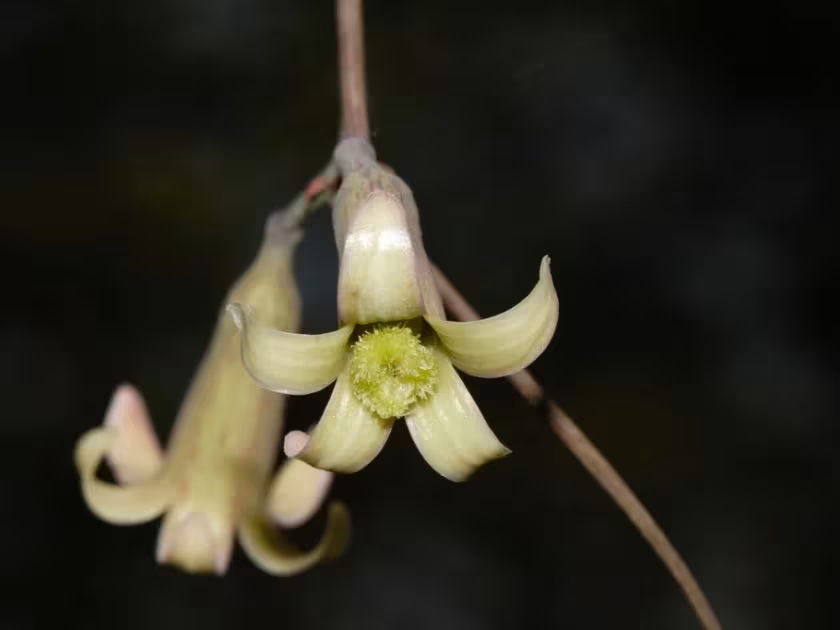
Description
Growing requirements
Adenia digitata is a remarkable species belonging to the Passifloraceae family. It is widely recognized for its impressive caudex, a thickened stem base that acts as a water storage organ, allowing the plant to survive harsh drought conditions.
This species is native to Southern and Eastern Africa, typically inhabiting savannas and rocky terrains. Its growth cycle is adapted to seasonal rainfall patterns, necessitating a distinct resting period during the colder or drier months of the year.
To cultivate Adenia digitata successfully, one must provide bright, indirect sunlight. While the plant appreciates warmth, prolonged exposure to intense, direct afternoon sun in confined spaces may scorch the foliage.
Soil composition is critical for this species; it requires a highly porous, gritty medium to prevent water retention. A mix consisting of volcanic rock, coarse sand, and a minimal amount of organic matter is highly recommended for optimal drainage.
Agricultural management requires careful attention to irrigation. During the active growing season, water should be applied only when the substrate has dried out completely, while the dormant period demands significantly less moisture to prevent root rot.
Main diseases and pests
The primary threat to the vitality of Adenia digitata is fungal infection, which often stems from stagnant water or poor air circulation around the root zone, leading to rapid deterioration of the caudex.
Common pests include spider mites and mealybugs, which thrive in low-humidity environments. Regular inspection of the stem junctions and leaf undersides is necessary to detect and mitigate infestations before they become severe.
It is imperative to note that the plant is highly toxic. Handling the sap requires care, as it can be harmful if ingested or if it comes into contact with open wounds or sensitive mucosal tissues.
Maintenance should include periodic monitoring of the plant's structural integrity. Any soft or mushy areas on the caudex serve as an indicator of overwatering and require immediate corrective action, such as repotting in dry medium.
Implementing a preventive pest control program using systemic insecticides or organic alternatives can help maintain the health of the plant throughout the growing season, ensuring robust development.