
Adenia cissampeloides
Adenia cissampeloides
Description
Growing requirements
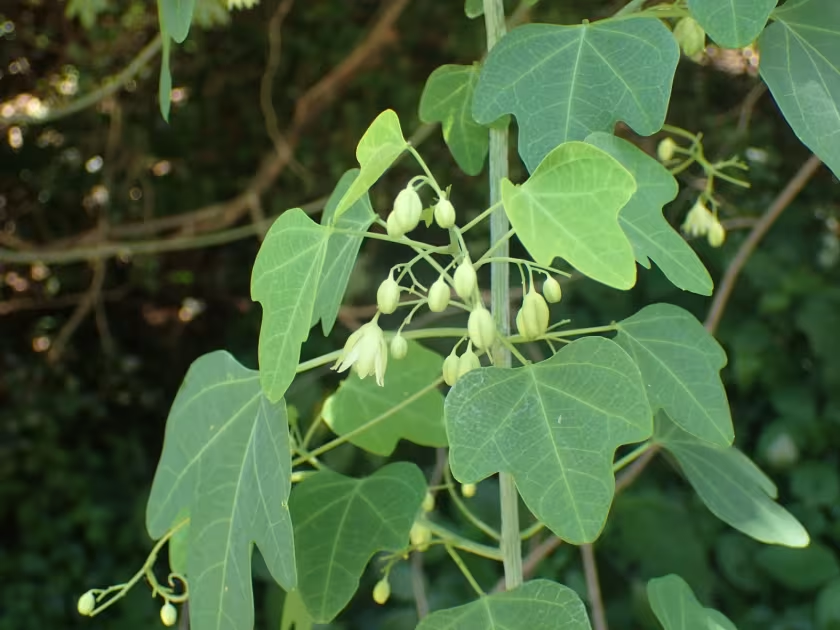
Adenia cissampeloides is a robust perennial vine belonging to the Passifloraceae family. This species is widely distributed across the tropical regions of Africa, where it thrives in forest margins and savannah environments, utilizing its thick stems to store nutrients.
The plant requires a tropical climate with consistent warmth throughout the year. It performs best in well-drained, nutrient-rich soils that do not retain excess water, as the root system is susceptible to decay if the drainage is insufficient.
Cultivation practices involve providing structural support for the vines, which can grow to significant lengths. The soil moisture should be carefully managed, allowing the medium to dry slightly between watering cycles to mimic its natural environment.
Propagation is primarily achieved through seeds, which require a warm and humid environment for successful germination. Soil amendments, such as organic compost, are recommended to provide the necessary nutrients for vigorous stem development.
The plant serves an important role in ethnobotany, where its extracts are used for their pharmacological properties. These properties are derived from secondary metabolites, including alkaloids, which are being studied for their potential industrial applications.
Main diseases and pests
Pathogenic fungi present a significant threat to Adenia cissampeloides, particularly in humid and poorly ventilated conditions. Effective management involves maintaining proper airflow and avoiding over-irrigation to prevent root and stem rot.
Pest challenges include sap-sucking insects like aphids and mites that infest the foliage during the drier months. Integrated pest management strategies, focusing on biological controls and targeted application of pesticides, are necessary for high-yield cultivation.