
Adenia elegans
Adenia elegans
Description
Growing requirements
Adenia elegans is a striking succulent species that belongs to the Passifloraceae family. Native to the arid regions of East Africa, this plant has evolved unique physiological features to thrive in environments with erratic rainfall and high temperatures.
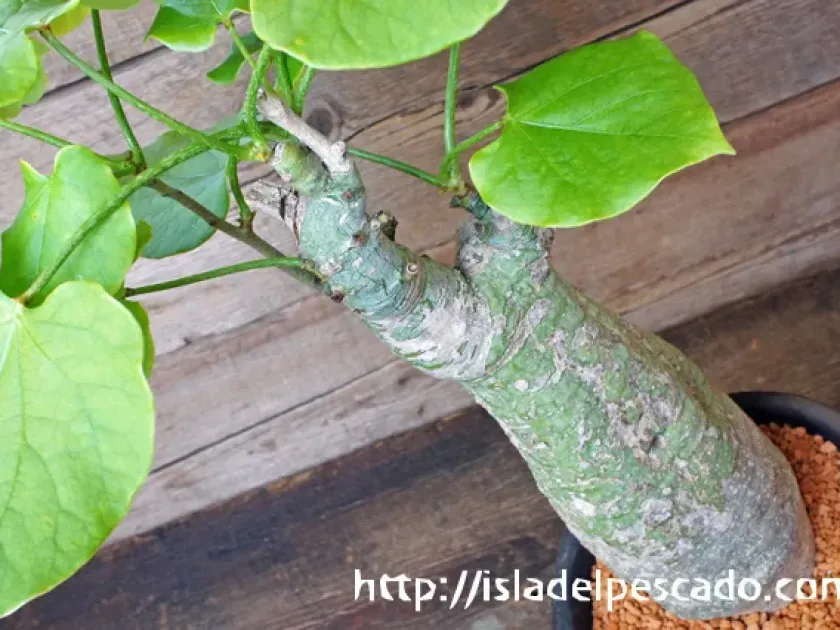
The most distinctive feature of the species is its caudex, a swollen woody base that acts as a storage organ for water. This allows the plant to survive prolonged periods of drought, making it an excellent candidate for collectors interested in desert flora and xerophytic botany.
Cultivation requires a well-draining substrate, typically composed of inorganic materials such as pumice, perlite, and coarse sand. This ensures that excess moisture does not sit around the roots, as the plant is highly susceptible to rot in anaerobic conditions.
Light intensity is the primary driver for healthy development. Adenia elegans thrives in bright, direct sunlight, which helps maintain a robust caudex and prevents the vines from becoming overly leggy. Adequate ventilation is also essential to replicate its natural habitat.
In terms of greenhouse management, it is important to observe a clear dormancy period during the winter months. During this time, temperatures should be kept moderate, and irrigation should be reduced or stopped completely to induce the rest phase.
Main diseases and pests
The most significant threat to Adenia elegans is root and caudex rot caused by overwatering or poor drainage. Once decay begins in the woody tissue, it can be extremely difficult to reverse, necessitating surgical removal of the affected parts.
Pests such as spider mites and mealybugs can infest the foliage, particularly when the plant is kept in dry, stagnant air. These pests can rapidly sap the plant's vitality, especially during the active growing season.
Preventive measures include maintaining cleanliness in the growing area and conducting regular visual inspections of the stems and leaf axils. If an infestation is detected, immediate application of appropriate acaricides or systemic insecticides is advised.
Fungal pathogens represent an additional risk, especially in environments with high humidity and poor light. Keeping the surface of the soil dry and ensuring good air movement are the best defenses against these opportunistic infections.
Practicing good sanitation during pruning is critical. Always use sterilized tools to prevent the transfer of viral or bacterial pathogens between different plants, especially when working with specimens in a collection.