
Adenia ellenbeckii
Adenia ellenbeckii
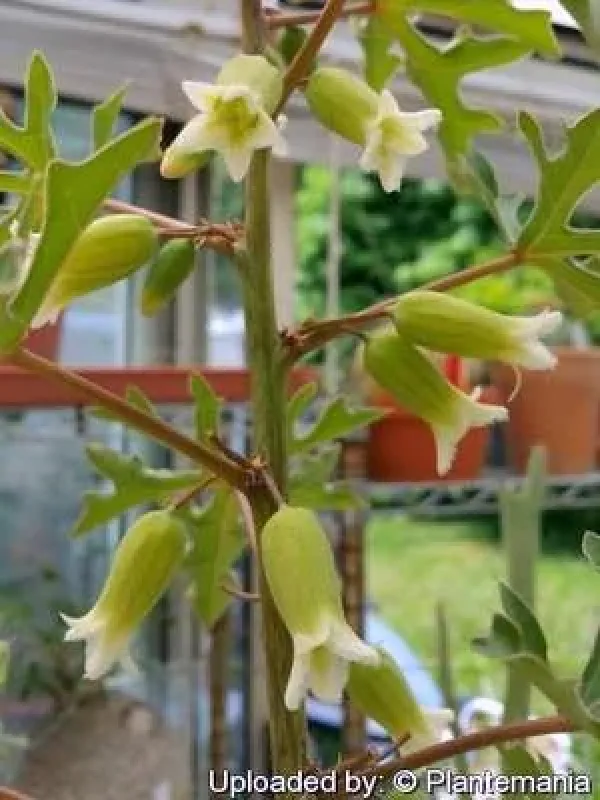
Description
Growing requirements
Adenia ellenbeckii is a remarkable caudex-forming succulent belonging to the Passifloraceae family. It is native to the arid regions of East Africa, specifically found in countries like Ethiopia and Somalia, where it has evolved to thrive in harsh, semi-desert environments.
The defining botanical characteristic of this species is its swollen, tuberous stem (caudex), which serves as a vital water storage organ. This adaptation allows the plant to endure the prolonged droughts that define its natural geographic range and arid habitat.
For successful cultivation, Adenia ellenbeckii requires a highly porous and well-draining substrate. A mix primarily composed of pumice, grit, and coarse sand is ideal, as it prevents moisture retention, which is critical for protecting the roots from common moisture-related issues.
Environmental requirements include a high light intensity environment. In greenhouse or domestic conditions, the plant should receive maximum sun exposure to maintain its compact shape and healthy growth. Shade-grown plants often develop etiolated, weak stems that lack the species' signature structure.
Watering practices must be seasonal. During the active growing phase, the plant should be watered sparingly after the substrate dries out completely. During the dormant winter season, water should be strictly limited or withheld to ensure the plant remains in a dry state to survive the dormancy period.
Main diseases and pests
The primary threat to Adenia ellenbeckii is rot, caused by overwatering or poor drainage. Excess moisture in the soil quickly attacks the caudex and root system, leading to fungal infections that can be extremely difficult to reverse once they have established themselves within the tissues.
Pest management should focus on monitoring for spider mites and mealybugs. These pests are common in the dry, warm environments favoured by this succulent. They tend to cluster in protected areas, such as leaf axils and along the stems, feeding on the plant's sap.
Effective control involves physical removal of visible pests using cotton swabs dipped in alcohol, followed by the application of targeted insecticides or acaricides if an infestation becomes widespread. Prevention through regular inspection is key to maintaining plant health.
Inadequate air circulation can further exacerbate pest issues and promote the growth of surface molds. Providing a light breeze or utilizing a fan in indoor growing setups can significantly mitigate the humidity levels and discourage pest colonization.
To ensure long-term viability, growers should prioritize using sterile soil media and clean pots during repotting. Monitoring the texture of the caudex is also crucial; any signs of softness or discoloration usually indicate that the plant is under stress from cultural conditions or disease.