
Adenia rumicifolia
Adenia rumicifolia
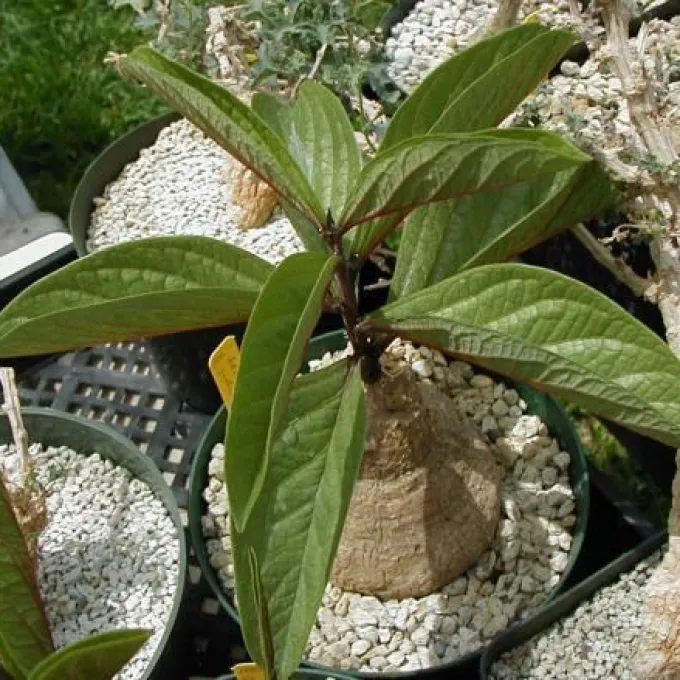
Description
Growing requirements
Adenia rumicifolia is an intriguing species within the Passifloraceae family, known for its ability to develop a significant caudex—a swollen base that serves as a vital water storage organ. This adaptation allows the plant to thrive in regions with distinct seasonal shifts and varying rainfall patterns.
The native habitat of this species encompasses various tropical areas in Africa. In agricultural and horticultural settings, it requires a substrate that mimics its natural environment: highly porous, well-draining, and rich in mineral content to ensure root aeration and prevent stagnation.
Climate requirements for this culture involve maintaining temperatures between 22°C and 28°C during the growing season. The plant exhibits a clear dormancy phase when temperatures drop, requiring a significant reduction in watering frequency to simulate natural seasonal dryness.
Light exposure is a critical factor for the healthy development of Adenia rumicifolia. While it appreciates bright light, protection from the most intense midday sun is necessary to prevent tissue stress, especially when cultivated in restricted greenhouse environments.
Fertilization should be handled with caution, using balanced mineral solutions during the peak of the growth season. Organic matter should be incorporated sparingly, as the plant is adapted to nutrient-lean soils rather than heavily fertilized agricultural land.
Main diseases and pests
The primary threats to Adenia rumicifolia are associated with moisture management. Root rot and caudex rot represent the most significant physiological risks, often caused by poor drainage or overwatering during the dormant period, creating ideal conditions for pathogenic fungi.
Pest pressure mainly comes from sap-sucking insects such as mealybugs and spider mites. These pests thrive in stagnant air and can rapidly colonize the succulent stems and leaves, leading to chlorosis, stunted growth, and potential secondary infections.
Management strategies involve rigorous hygiene practices, such as pruning affected parts and using targeted acaricides or systemic insecticides. Ensuring good air circulation and strictly following a dry-out cycle between waterings are the most effective preventive measures for long-term health.