
Adenia perrieri
Adenia perrieri
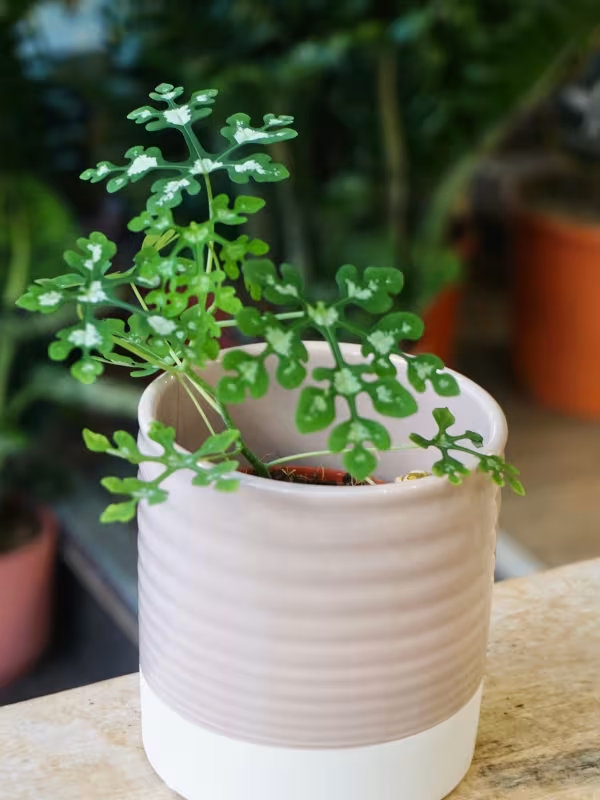
Description
Growing requirements
Adenia perrieri is a rare and highly sought-after species of caudiciform plant belonging to the Passifloraceae family. It is native to the dry forests and rocky landscapes of Madagascar, where it has evolved to thrive in harsh environments.
The plant is defined by its thick, water-storing caudex and its ability to withstand prolonged drought. Its architectural stems, often armed with small spines, make it a distinct specimen for any collection of desert flora.
To cultivate Adenia perrieri successfully, growers must provide intense light and warm temperatures. Because it originates from tropical dry zones, it requires protection from cold snaps and high humidity levels, which can prove fatal to the plant.
Soil requirements are strict: the medium must be highly inorganic, consisting largely of pumice, perlite, and coarse sand. Adequate drainage is the most critical factor in preventing moisture-related failures in the plant’s root system.
During the growing season, regular but cautious watering is required, while the winter dormancy period necessitates total dryness to mimic the plant's natural seasonal cycle in the wild.
Main diseases and pests
The most significant threat to Adenia perrieri is root rot caused by stagnant water in the root zone. Once the caudex tissue begins to soften due to rot, recovery becomes extremely difficult and often impossible.
Common pests such as spider mites and mealybugs can infest the plant, particularly when ambient humidity is too low. These pests can cause significant structural damage to young, tender stems.
Integrated pest management, including regular visual inspections and the application of appropriate pesticides, is necessary to keep the plant in optimal health during the vegetation period.
Fungal infections can also occur on the surface of the caudex if the plant is exposed to poor ventilation. Maintaining good airflow around the specimen is essential for preventing such issues.
Growers should always maintain strict sanitation practices when pruning or repotting, as wounds on the caudex provide entry points for secondary infections.