
Adenia macrophylla
Adenia macrophylla
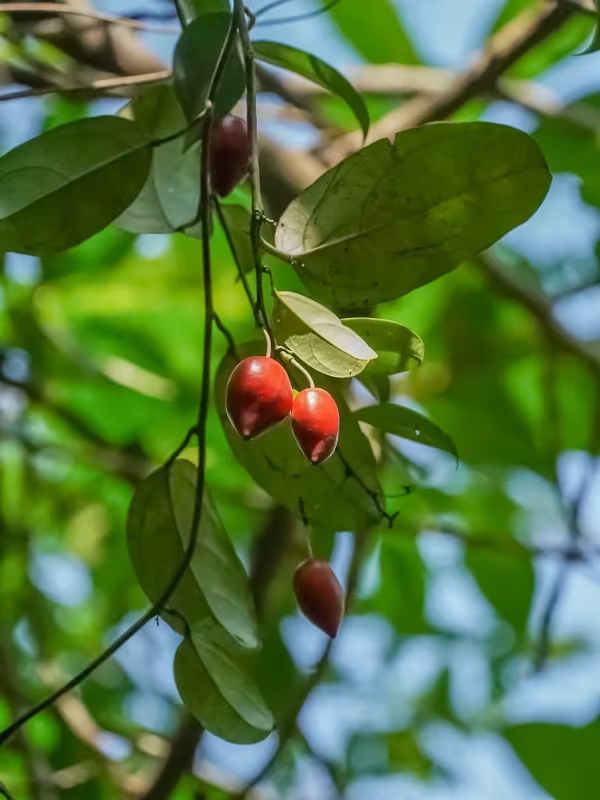
Description
Growing requirements
Adenia macrophylla is a significant member of the Passifloraceae family, characterized by its vigorous climbing habit and large, distinctive foliage. As a tropical species, it thrives in environments that mimic the high-humidity conditions of its native Southeast Asian rainforest habitats.
The plant requires a stable, warm climate to maintain consistent growth. Temperatures should ideally remain between 22°C and 28°C throughout the year, as exposure to sudden chills can cause leaf drop and severe stress to the plant's vascular system, potentially halting its development.
Soil composition is critical for this species; it demands a highly permeable, well-draining medium. A mix of organic potting compost combined with perlite or coarse bark provides the necessary air exchange for the root system, preventing the suffocation that occurs in compacted, waterlogged soils.
Regarding light, Adenia macrophylla prefers bright, indirect sunlight. Direct exposure to the intense midday sun can lead to chlorosis and leaf burn, which impacts the plant's photosynthetic efficiency. Providing a filtered light environment ensures the retention of the deep green color characteristic of the species.
Cultural maintenance involves routine fertilization during the peak growth season, utilizing balanced liquid fertilizers. Since it is a climbing plant, structural support such as trellises or moss poles is essential to guide its growth and ensure adequate air circulation around the stems, which reduces humidity-related issues.
Main diseases and pests
Common pests include spider mites and scale insects, which frequently target the underside of the broad leaves. Integrated pest management, including regular monitoring and the use of insecticidal soaps, is vital for maintaining the plant's health in confined indoor or greenhouse settings.
Root rot, primarily caused by excessive soil moisture and poor drainage, represents the most significant pathological threat to Adenia macrophylla. Maintaining a strict balance in hydration levels and ensuring the pot has adequate drainage holes is the most effective preventative measure against fungal colonization.