
Adenia lapiazicola
Adenia lapiazicola
Description
Growing requirements
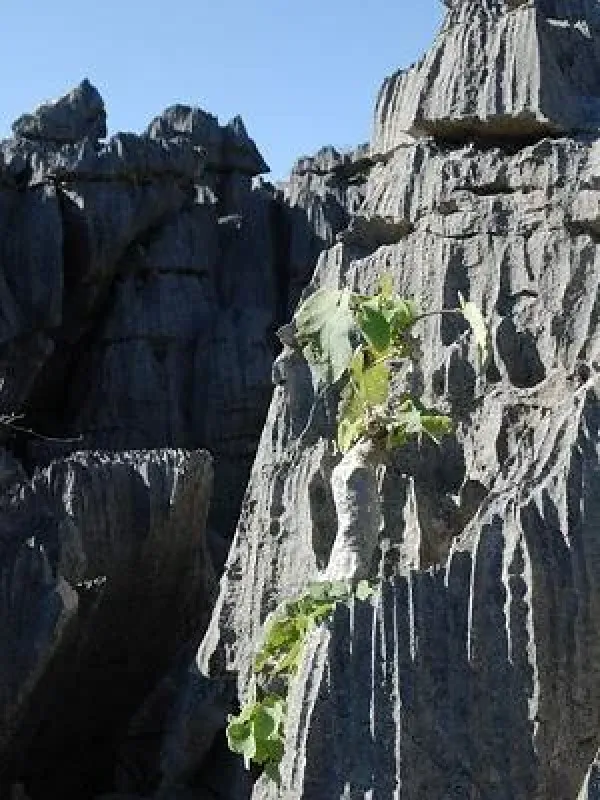
Adenia lapiazicola is a fascinating species belonging to the Passifloraceae family. Native to the unique limestone landscapes of Madagascar, specifically the karstic formations known as "lapiaz," this plant has evolved to thrive in some of the most challenging environments on the planet.
The botanical structure of this species is defined by its robust caudex, a swollen stem that acts as an efficient water storage organ. This adaptation allows the plant to endure prolonged droughts while maintaining its structural integrity and nutrient reserves throughout the harsh dry seasons.
Cultivating Adenia lapiazicola requires specialized horticultural techniques, focusing primarily on soil composition. A highly porous, well-draining mineral substrate is essential. It is recommended to use a mix composed of pumice, volcanic rock, and minimal organic matter to prevent root rot.
Regarding climatic requirements, the plant demands bright, direct to filtered light to maintain its compact growth habit. Adequate air circulation is crucial to prevent the accumulation of heat and moisture around the caudex, which can lead to stress or disease.
During the growing season, watering should be thorough but infrequent, allowing the substrate to dry out completely before the next irrigation. During winter dormancy, the plant enters a rest phase, during which water should be withheld to mimic the natural dry cycle of its native habitat.
Main diseases and pests
The primary threat to the health of Adenia lapiazicola in cultivation is fungal infection. These pathogens typically target the root system and the base of the caudex when the plant is kept in conditions of excess moisture or poor drainage, leading to rapid tissue decomposition.
Spider mites represent the most common pest pressure for this species, especially when kept indoors with low relative humidity. These pests thrive in dry environments and can severely damage the foliage, causing chlorosis and weakening the plant's overall vigor.
Mealybugs are another significant concern, as they often hide in the crevices of the caudex and around the petiole bases. Their presence can be difficult to detect until a significant infestation has developed, necessitating manual removal or specific systemic treatments.
Effective pest management involves a combination of preventative monitoring and the use of targeted pesticides. Always ensure that any treatment used on the caudex is non-phytotoxic, as the surface tissue can be sensitive to heavy chemical concentrations.
Finally, environmental stressors such as extreme temperature fluctuations should be minimized. By maintaining a stable climate and following a strictly regulated irrigation schedule, the risk of disease and pest outbreaks can be significantly mitigated, ensuring the longevity of this exotic species.