
Adenia hondala
Adenia hondala
Description
Growing requirements
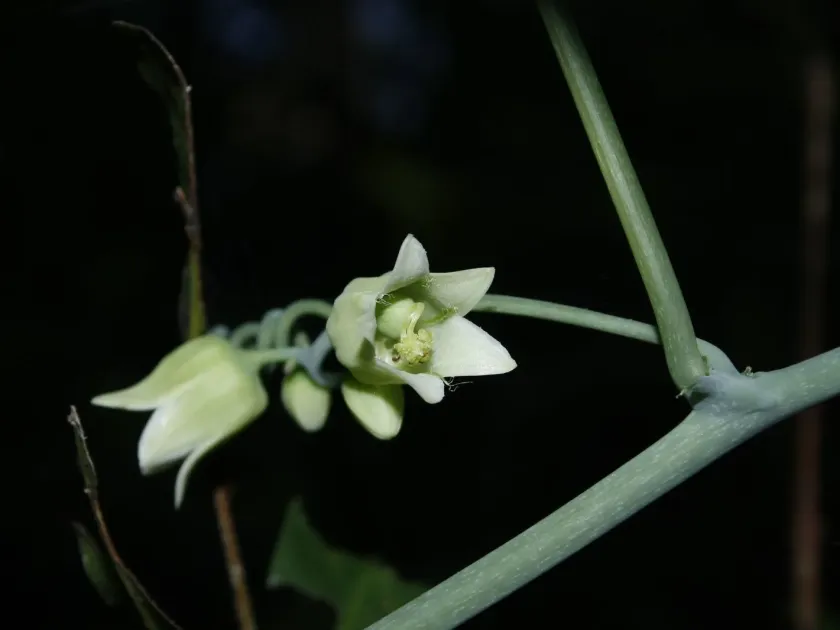
Adenia hondala is a fascinating climbing plant belonging to the Passifloraceae family. It is recognized for its unique vegetative structure, which includes a thickened stem base known as a caudex, providing essential water storage for survival during drier periods in its native tropical environment.
The plant originates primarily from the tropical regions of Sri Lanka and India. In its natural habitat, it thrives in forest margins and well-shaded areas, requiring soil that is porous, nutrient-rich, and capable of maintaining a balance between moisture and aeration to prevent root decay.
Optimal cultivation requires consistent tropical temperatures, ideally ranging between 20°C and 30°C. Adenia hondala is highly sensitive to frost, necessitating protected environments like greenhouses in regions where outdoor temperatures drop significantly during winter months.
Agricultural techniques must prioritize support systems, such as trellises or frames, to accommodate the vining nature of the plant. Regular pruning is often recommended to maintain shape, manage size, and encourage more robust growth of the thickened caudex base.
The plant holds significance in various traditional medicinal practices, where different parts are harvested for therapeutic properties. Beyond its medicinal utility, it is increasingly popular among horticulturalists who specialize in rare, succulent-like tropical climbers.
Main diseases and pests
Root rot remains the primary physiological threat to Adenia hondala, usually resulting from over-irrigation or poorly draining substrates. Symptoms include softening of the caudex and yellowing of the foliage, which require immediate action to save the plant.
Common pests include spider mites and mealybugs, which thrive in low-humidity environments often found in indoor cultivation. These pests feed on sap, weakening the plant and potentially leaving it susceptible to secondary viral or fungal infections.
Effective management strategies include the maintenance of proper airflow and humidity levels to discourage pest proliferation. Periodic monitoring of the underside of leaves and the stem base allows for early detection of potential infestations.
Fungal diseases such as powdery mildew may occur if the ventilation is insufficient or if the canopy becomes too dense. Proper pruning and thinning of the foliage are essential to ensure adequate air circulation throughout the entire plant structure.
When chemical intervention is required, it is essential to use targeted treatments that minimize impact on the plant's sensitive tissues. Many growers prefer biological control methods to ensure the safe future utilization of the plant's medicinal properties.