
Adenia gracilis
Adenia gracilis
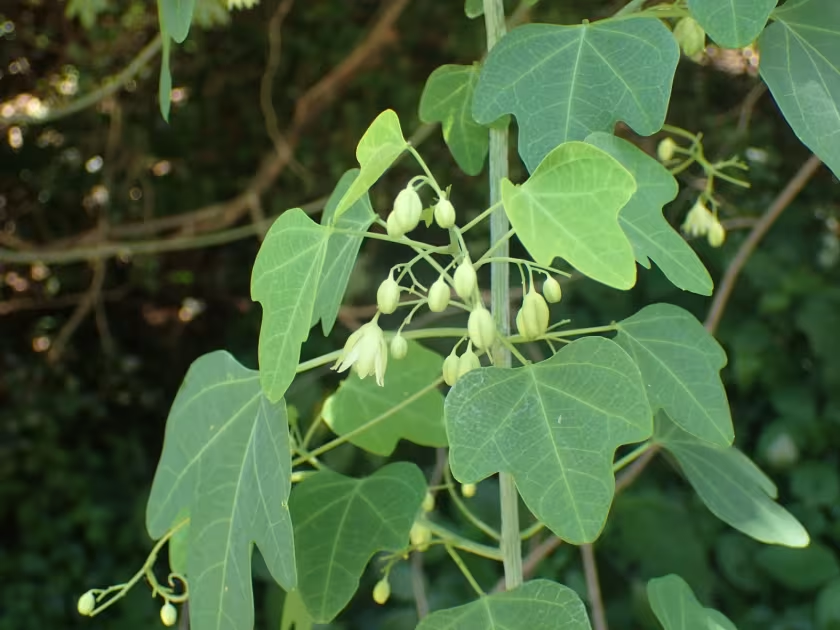
Description
Growing requirements
Adenia gracilis is a fascinating species belonging to the Passifloraceae family. Native to the dry regions of East Africa, this plant is primarily valued as an ornamental caudiciform succulent, characterized by its swollen base that functions as a water storage organ.
Successful cultivation requires intense but filtered sunlight. While the plant appreciates heat, direct, harsh midday sun can scorch the stem. A bright, south-facing window with a thin curtain or a greenhouse environment with shade cloth provides the ideal light intensity for healthy growth.
The substrate must be extremely porous to ensure rapid drainage. A mix of pumice, perlite, coarse sand, and a small portion of organic matter is ideal. It is crucial to use pots with multiple drainage holes to prevent water from accumulating around the root system.
During the growing season, Adenia gracilis thrives in warm conditions between +22°C and +30°C. As the plant enters dormancy in the cooler months, temperatures should be moderated. It is essential to keep the plant dry during winter to prevent physiological stress or rot.
Watering should be approached with caution, adhering to the "soak and dry" method. Allow the soil to dry out completely between waterings. In the winter dormancy period, the plant should be kept almost completely dry, with only occasional light watering to prevent excessive dehydration.
Main diseases and pests
Spider mites are the most common pests, particularly in indoor environments with low humidity. They thrive on the undersides of leaves and can weaken the plant significantly if left unchecked.
Fungal rots are the most serious threat, usually resulting from overwatering or poorly draining soil. To maintain plant health, ensure adequate air circulation and use preventative treatments with fungicides if environmental conditions become too humid.