
Adenia globosa
Adenia globosa
Description
Growing requirements
Adenia globosa is a distinctive succulent species belonging to the Passifloraceae family. It is widely recognized for its impressive, globose caudex, which functions as an evolutionary adaptation to store water, enabling the plant to survive in the arid environments of East Africa.
Native to Kenya and Tanzania, this species thrives in dry, rocky terrain. In cultivation, it demands high levels of sunlight to maintain its compact shape and prevent the etiolation of its thorny, branching stems that typically emerge from the main woody body.
Successful cultivation requires a highly porous and inorganic soil mix, such as a blend of volcanic rock, pumice, and grit. Providing excellent drainage is critical, as the plant is extremely susceptible to rot if its roots remain in moist substrate for extended periods.
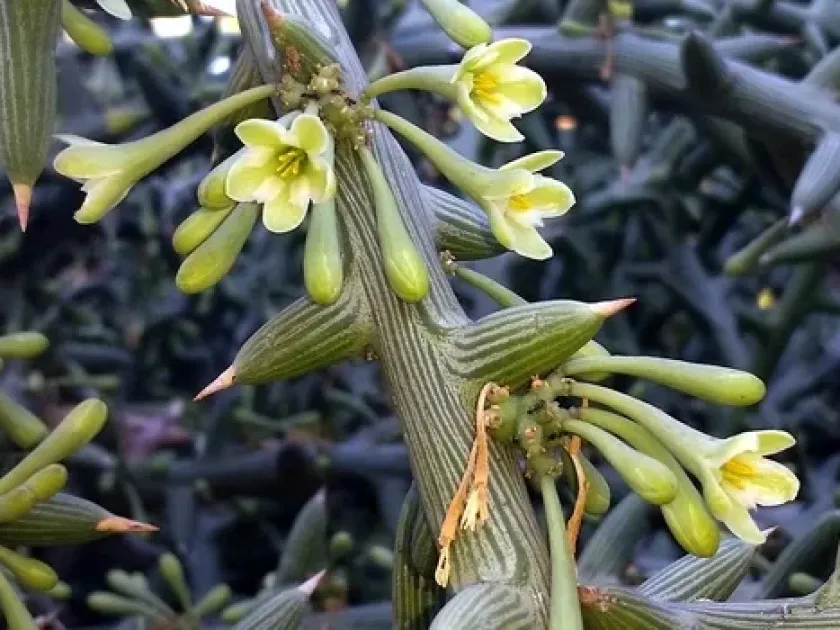
The botanical structure of Adenia globosa includes green, photosynthetic stems armed with sharp spines. These stems are essential for survival in its natural habitat, acting as a defense mechanism against herbivores while minimizing water loss through a reduced surface area.
As a horticultural specimen, it is highly valued by collectors of rare succulent and caudiciform plants. Due to its slow growth rate, it is often kept in small containers where its sculptural form serves as a focal point in specialized greenhouses and conservatories.
Main diseases and pests
Fungal rot caused by overwatering is the primary threat to the health of Adenia globosa. During the dormant winter season, the plant should be kept almost completely dry, as residual moisture in the root zone can lead to rapid decay of the caudex tissue.
Mealybugs are the most common pests, often sheltering in the crevices between the plant's thorns. Early detection and the use of systemic insecticides are necessary to control these infestations before they spread to the succulent stems.
Spider mites may affect the plant in environments with low airflow and high temperatures. Maintaining proper ventilation and ensuring the plant is not under environmental stress will significantly reduce the likelihood of mite outbreaks.
Root-knot nematodes can cause severe damage if the substrate is contaminated. It is essential to use sterilized, mineral-based potting media to prevent the introduction of these harmful organisms to the root system of the plant.
Improper lighting conditions often lead to a lack of vigor, making the plant more susceptible to opportunistic diseases. Ensuring the plant receives adequate light exposure is vital for maintaining its chemical defenses and overall metabolic health.