
Adenia fruticosa
Adenia fruticosa
Description
Growing requirements
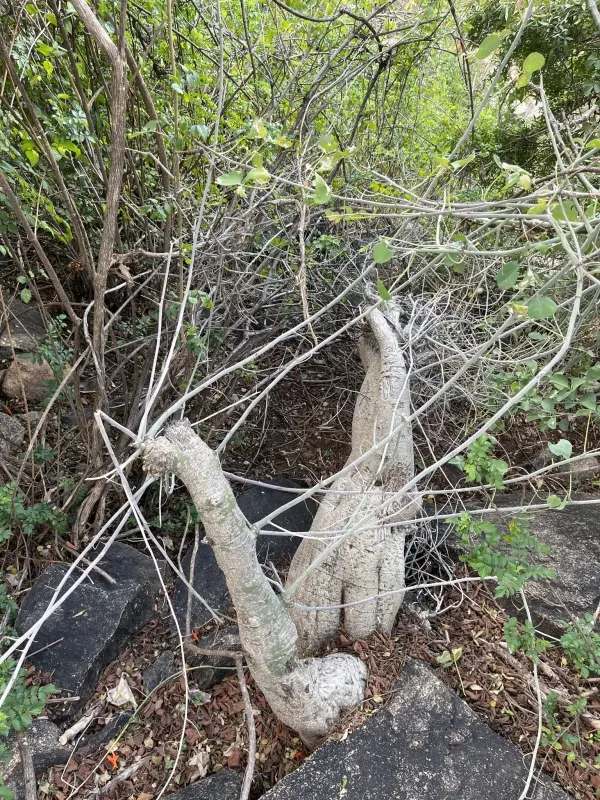
Adenia fruticosa is a unique succulent shrub belonging to the Passifloraceae family. Native to South Africa, it is renowned for its remarkable caudex, a swollen, woody stem that acts as an evolutionary water storage organ to survive arid environments.
To successfully cultivate this species, high light intensity is essential. Bright, indirect sunlight is optimal, as it stimulates healthy development of the caudex and maintains the plant's structural integrity during the active growing season.
The plant thrives in temperatures between 22°C and 28°C during its growth phase. During the winter dormancy period, when the plant sheds its leaves, the temperature should ideally be lowered to around 15°C, and watering must be drastically reduced.
A well-draining substrate is mandatory for Adenia fruticosa. A mix of gritty soil, coarse sand, and perlite ensures that excess water moves quickly away from the roots, preventing the catastrophic rot that can occur in waterlogged conditions.
Watering practices should be cautious and seasonal. During summer, the soil should be allowed to dry out completely between waterings, while during winter, the plant should remain almost entirely dry to prevent physiological stress.
Main diseases and pests
The primary pests affecting Adenia fruticosa are spider mites and mealybugs, which thrive in indoor environments with low humidity and limited air circulation.
Fungal infections, particularly root rot, are the most common cause of plant failure, usually resulting from poor drainage or excessive watering during the winter resting phase.
Effective pest management involves using systemic insecticides, while fungal issues are best addressed through prophylactic fungicide treatments and strict moisture control.
Regular inspection of the plant's surface, especially the underside of leaves and the junction of branches, helps in the early detection and manual removal of pests.
If any part of the caudex starts to soften, immediate surgical removal of the decayed tissue followed by application of antifungal agents is necessary to save the plant.