
Adenia firingalavensis
Adenia firingalavensis
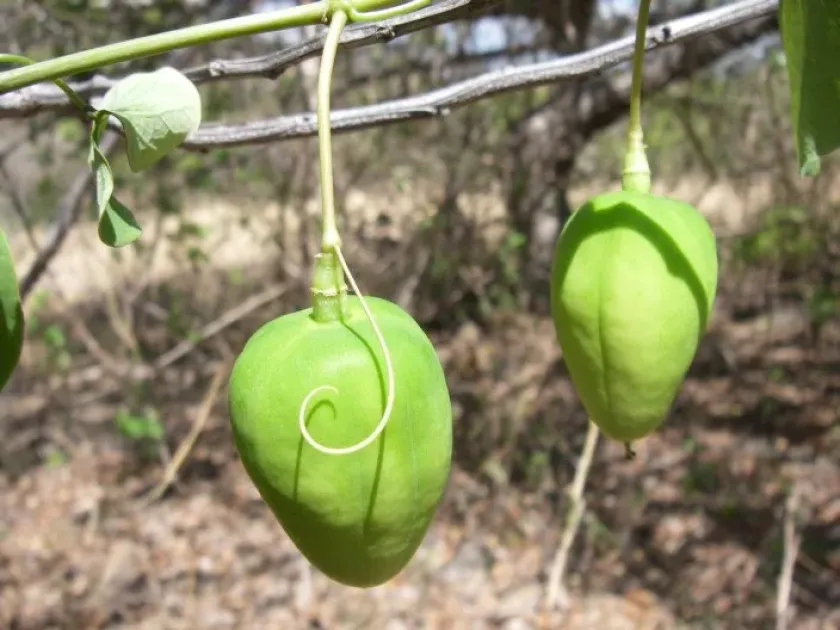
Description
Growing requirements
Adenia firingalavensis is a remarkable species belonging to the Passifloraceae family, known for its unique appearance and origin in the arid regions of Madagascar.
This species is characterized by its large, distinctive caudex, which acts as a specialized storage organ for moisture and nutrients, allowing the plant to survive in harsh, drought-prone environments.
For successful growth, it requires a highly porous and inorganic soil mix, typically consisting of pumice, perlite, and coarse sand to ensure efficient drainage and prevent root rot.
The plant thrives in full, direct sunlight, which is essential to maintain the structural integrity of the caudex and promote a compact, healthy growth habit during the season.
It is important to maintain a consistent temperature range, avoiding any exposure to frost or prolonged cold, while ensuring that all parts of the plant are handled carefully due to the inherent toxicity of the sap.
Main diseases and pests
The primary concern for growers is the risk of overwatering, which can quickly lead to irreversible damage to the caudex structure and systemic plant failure.
Spider mites are common pests that thrive in the arid conditions preferred by Adenia, causing significant stress by feeding on the sap of young, developing shoots.
Mealybugs are another serious threat, as they often hide in the deep crevices of the caudex, making them difficult to detect and manage without regular monitoring.
Maintaining proper hygiene in the greenhouse or growing environment is crucial to minimize the spread of fungal pathogens that attack weakened tissues.
Applying specialized fertilizers at a low concentration during the peak growth season helps strengthen the plant's natural defenses without promoting lush, susceptible new growth.