
Abutilon viscosum
Abutilon viscosum
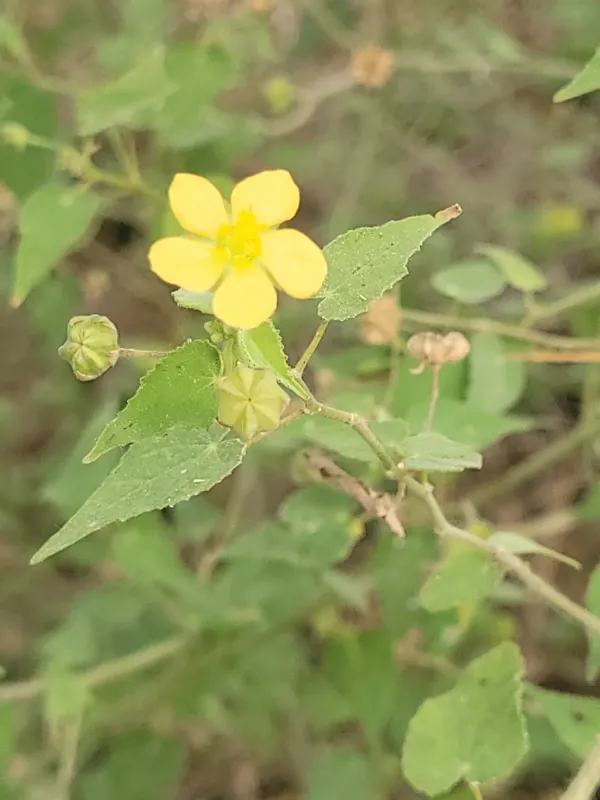
Description
Sowing dates
Abutilon viscosum is a heat-loving plant, so the optimal sowing period is determined by the soil temperature, which should reach at least 12–15 degrees Celsius at planting depth.
In temperate climates, the most favorable time for starting field operations is late May, when the risk of nocturnal frost has completely passed for the season.
Planting is typically performed in rows with a spacing of up to 45 centimeters to provide each plant with adequate space for the development of a robust vegetative mass.
Sufficient moisture in the topsoil is essential for successful germination, as the seeds have a firm coat and require stable water intake to initiate the growing process.
Pre-treatment of seeds with growth stimulants can significantly improve field emergence and help young plants adapt to variable environmental conditions more effectively.
Growing requirements
As a member of the Malvaceae family, this crop requires intense solar radiation throughout the entire growing season to produce high-quality textile fibers.
The soil must be fertile and well-aerated, as the plant reacts negatively to heavy, compacted soils that suffer from poor drainage and lack of oxygen.
An optimal soil pH should be near neutral, ensuring that the plant can efficiently absorb macro- and micronutrients from natural or applied fertilizers.
During periods of drought, the crop requires supplementary irrigation, as water stress can lead to early lignification of the stems, reducing the quality of the fiber.
Regular applications of nitrogen and phosphorus fertilizers during the active vegetative growth phase significantly increase the total yield and fiber quality.
Yield
Industrial utilization of Abutilon viscosum is primarily focused on obtaining strong bast fiber, which possesses qualities competitive with traditional spinning crops.
Yield productivity is highly dependent on plant population density and the strict adherence to technological standards during critical growth phases.
The fiber derived from this plant is noted for its elasticity and tensile strength, making it a promising raw material for cordage, textiles, and composite materials.
In addition to its fiber, the plant generates a significant volume of biomass that can be utilized as renewable energy feedstock in industrial processing plants.
Modern breeding programs aim to increase the length and structural integrity of the technical stem, which directly correlates to higher profitability per hectare.
Main diseases and pests
Spider mites represent a significant threat to this crop, especially during prolonged periods of high heat and low relative humidity, which favor rapid pest reproduction.
Among plant diseases, powdery mildew is the most common concern, as it can quickly spread across fields under favorable conditions, causing leaf deformation and shedding.
Failure to follow agrotechnical guidelines, such as excessive sowing density, inhibits air circulation and promotes the development of pathogenic fungal infections.
Aphids can cause mass damage to young shoots by feeding on plant sap, which stunts development and reduces the overall quality of the harvested fiber.
Integrated pest management should include regular field monitoring and proactive weed control, as many weeds act as reservoirs for common agricultural pests.
Harvesting
Harvesting Abutilon viscosum is best performed at the onset of the flowering stage, when the stem content of high-quality fiber is at its peak.
Mechanical harvesting with specialized machinery ensures minimal fiber loss and allows for rapid transport to primary processing facilities for immediate handling.
The retting process is a vital stage, allowing for the effective separation of the fibrous component from the woody core to ensure high-purity end products.
The collected raw material must be thoroughly dried in well-ventilated conditions to prevent mold formation and the loss of physical-mechanical fiber properties.
Storage must occur in moisture-protected facilities where a stable temperature is maintained to prevent the degradation of fiber quality over time.